
Mental Wellness Naturally: Complete Guide to Brain Health & Emotional Balance
Key Takeaways
Your mental health is inseparable from your physical health. The brain-body connection means that what you eat, how you move, how you sleep, and how you manage stress all directly impact your mental state. You can’t compartmentalize mental wellness—it requires a whole-person approach.
The gut-brain axis is real and powerful. Optimizing gut health through diet, probiotics, and stress management can dramatically improve mood, anxiety, and cognitive function. If you haven’t addressed gut health, you’re missing a major piece of the mental wellness puzzle.
Natural approaches work, but they require consistency and patience. You won’t take omega-3s for three days and cure depression. But stick with evidence-based interventions for 4-8 weeks, and you’ll likely see meaningful improvements.
Start with foundations before adding supplements. Sleep, nutrition, movement, sunlight, and stress management provide 70-80% of the benefit. Supplements and advanced techniques enhance these foundations—they don’t replace them.
Mental wellness is multifactorial. There’s rarely one cause or one solution. The most effective approach addresses multiple areas: biological (nutrition, supplements), psychological (therapy, mindset), and social (connection, purpose).
Professional help and natural approaches aren’t mutually exclusive. Sometimes you need both. Medication can provide stability while you implement lifestyle changes. Therapy can help process trauma while supplements support neurotransmitter balance. The best outcomes often come from integrated care.
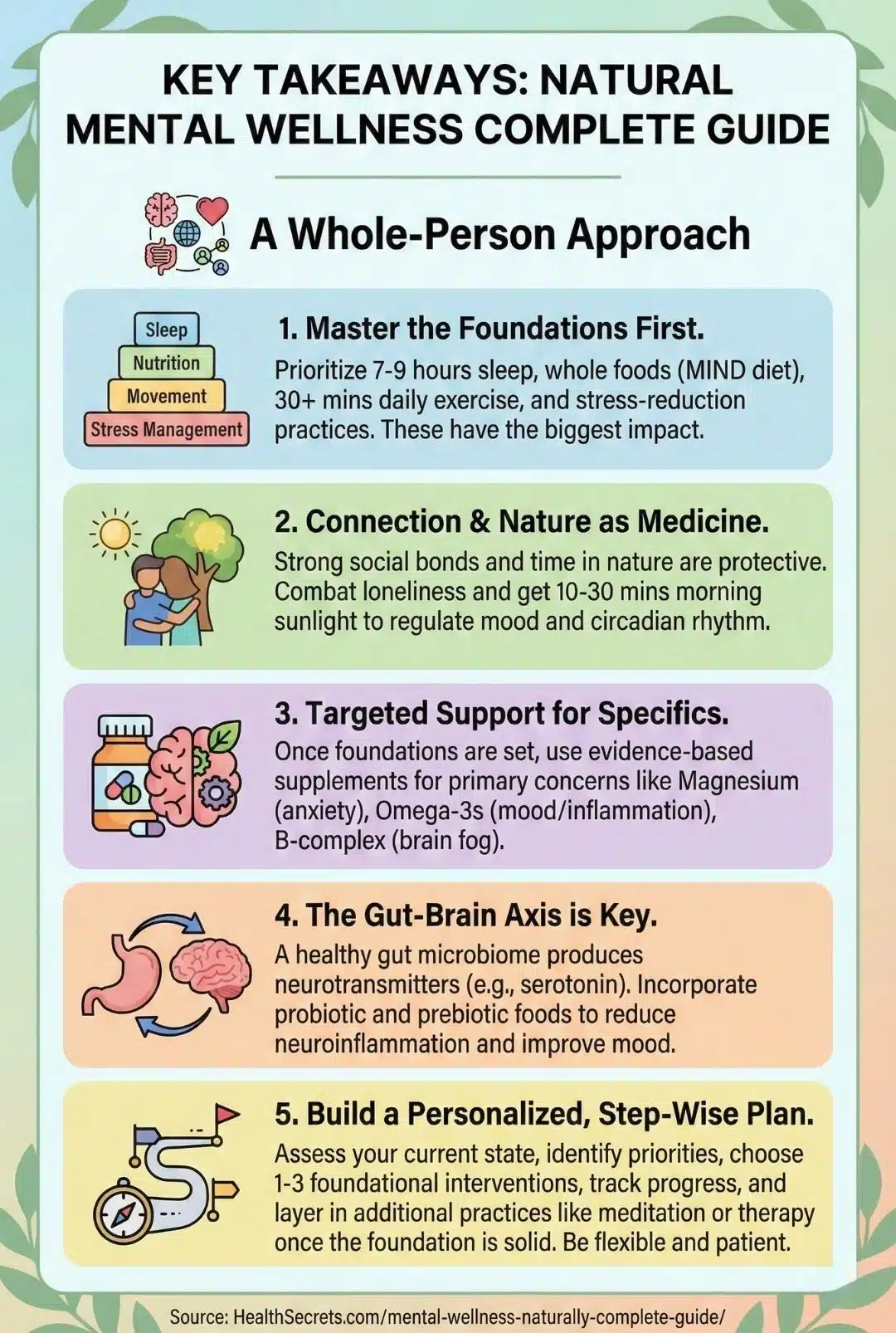
Table of Contents
What Is Mental Wellness and Why Is It Important?
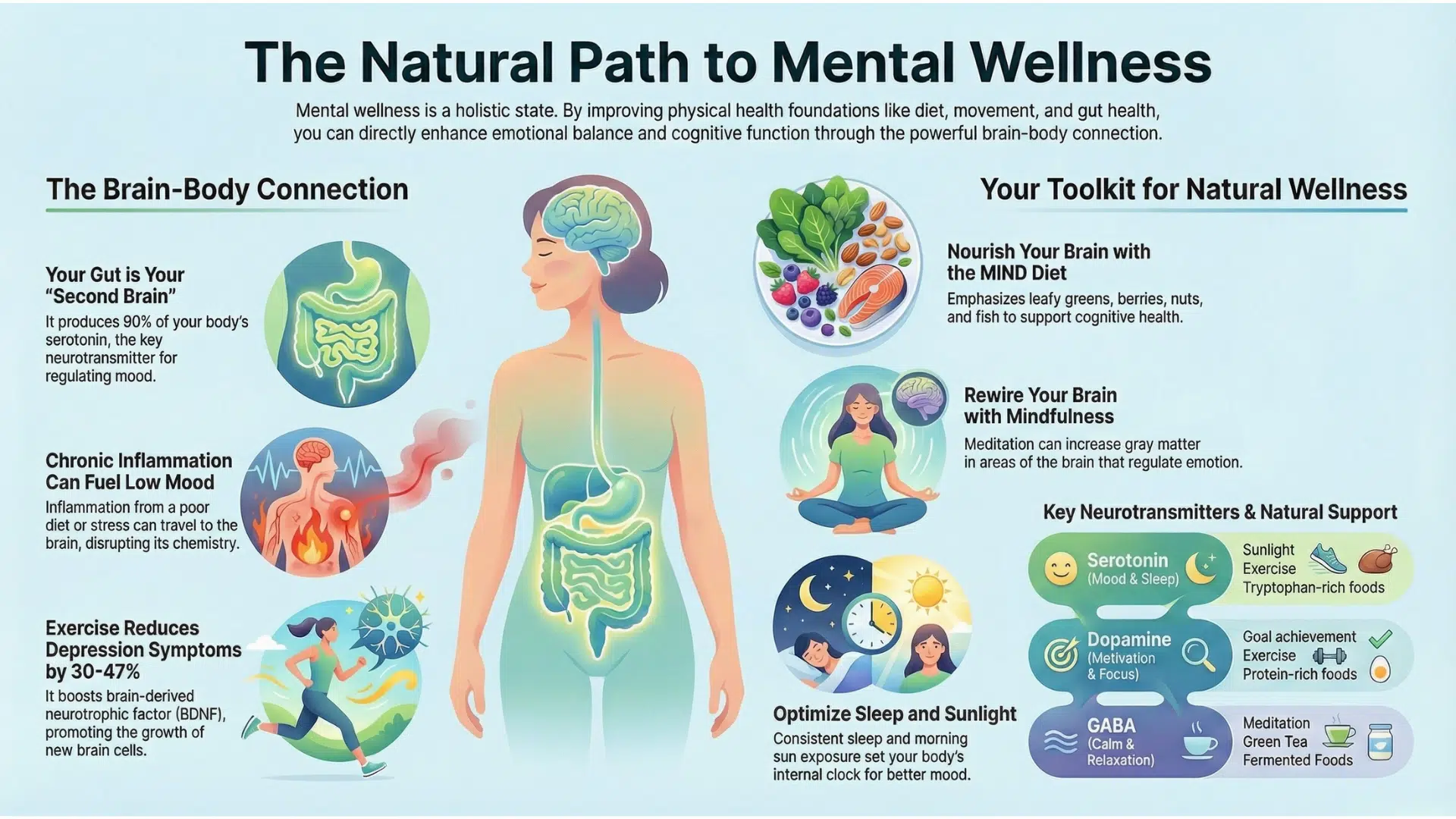
Mental wellness is a dynamic state of cognitive and emotional health, characterized by the ability to manage stress, regulate mood, and maintain mental clarity. Unlike the mere absence of illness, it involves actively nourishing the gut-brain axis, optimizing neurotransmitter production, and building psychological resilience through lifestyle factors like nutrition, sleep, and social connection.
The World Health Organization defines mental health as “a state of well-being in which an individual realizes their own abilities, can cope with the normal stresses of life, can work productively, and is able to make a contribution to their community.” That’s a pretty comprehensive definition, but let me break it down into what it actually means for your daily life.
Look, mental wellness isn’t just about not being depressed or anxious. It’s way bigger than that. We’re talking about a state where your brain functions optimally, your emotions feel balanced, and you’ve got the resilience to handle whatever life throws at you. And here’s the thing—you can achieve this naturally, without necessarily relying on medications as your first line of defense.
After diving deep into hundreds of studies and reading everything from neuroscience research to ancient healing practices, I’ve realized that mental wellness is less about fixing what’s broken and more about nourishing what’s already there. Your brain is this incredibly complex organ that responds to how you eat, move, sleep, think, and connect with others. Change those inputs, and you change your mental state.
This guide covers everything you need to know about supporting your mental wellness naturally. We’ll explore the science behind brain health, the gut-brain connection that researchers are calling the “second brain,” and practical strategies you can implement today. Whether you’re dealing with anxiety, brain fog, low mood, or just want to optimize your cognitive function, you’ll find evidence-based approaches here.
What surprised me most in researching this? How interconnected everything is. Your gut bacteria influence your mood. Your sleep quality affects your emotional regulation. The foods you eat literally become the building blocks of neurotransmitters that determine how you feel. Mental wellness isn’t one thing—it’s a symphony of biological, psychological, and social factors all working together.
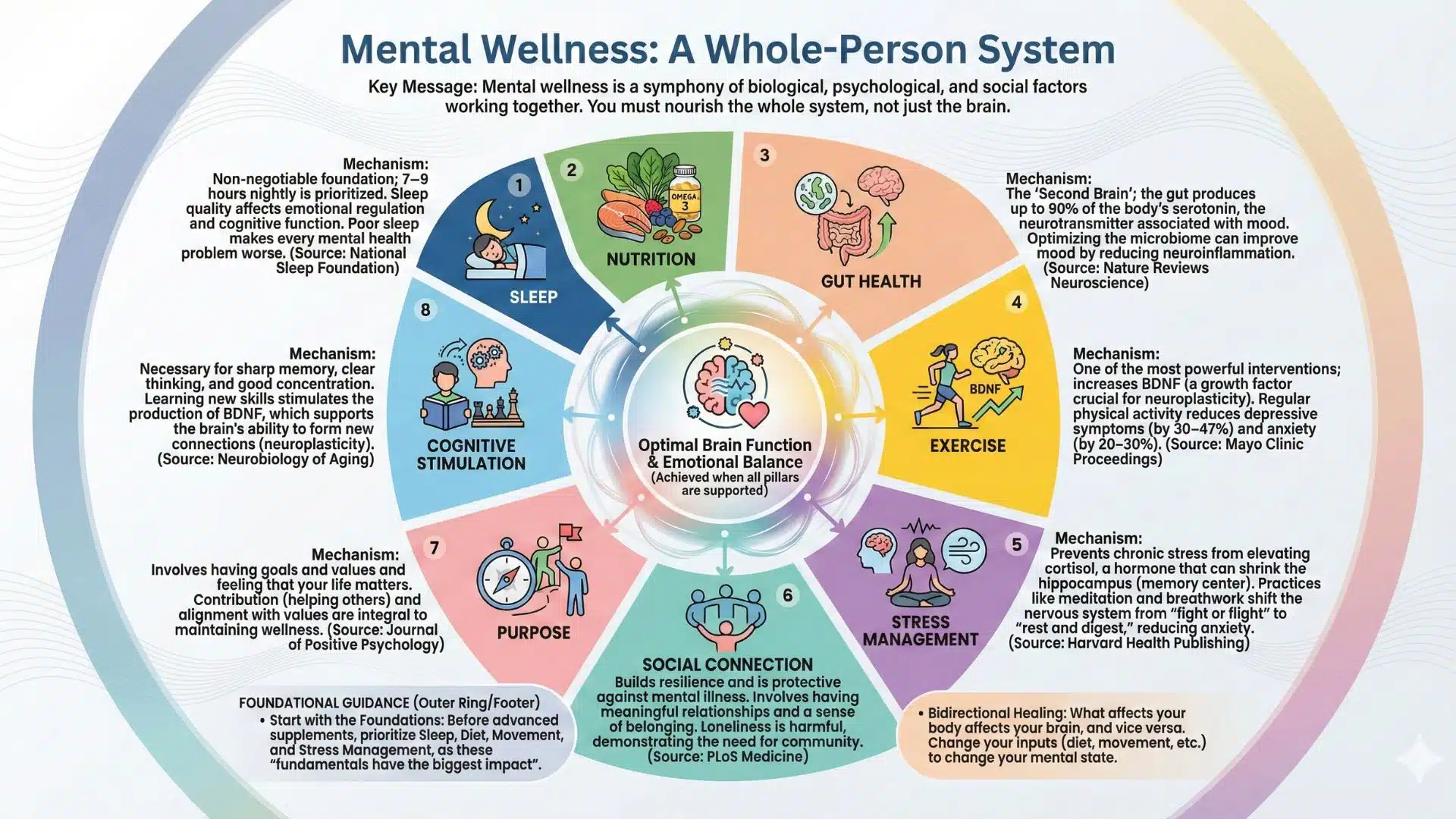
Mental wellness includes:
- Cognitive function: Sharp memory, clear thinking, good concentration
- Emotional regulation: Ability to manage stress, process emotions, maintain stable moods
- Psychological resilience: Bouncing back from setbacks, adapting to change
- Social connection: Meaningful relationships, sense of belonging
- Purpose and meaning: Feeling that your life matters, having goals and values
- Self-awareness: Understanding your thoughts, emotions, and behaviors
Recent research shows that brain health is a determinant of mental health, not separate from it Stein et al., 2023. Brain Health Is a Determinant of Mental Health. PMC. What happens in your brain—the physical structure, neurotransmitter levels, inflammation status—directly impacts your emotional and psychological well-being.
Here’s what’s fascinating: mental wellness exists on a spectrum. You can have periods of lower wellness without having a diagnosable mental illness. And conversely, you can have a mental health condition and still work toward greater wellness. It’s dynamic, not static.
How Does Physical Health Affect Mental Wellness?
Your brain doesn’t exist in isolation. It’s constantly communicating with every system in your body through an intricate network of nerves, hormones, and immune signals. This bidirectional communication means that what affects your body affects your brain, and vice versa.
The gut-brain axis is one of the most powerful examples. Your gut contains about 100 million neurons—more than your spinal cord—and produces 90% of your body’s serotonin, the neurotransmitter most associated with mood Carabotti et al., 2015. The Gut-Brain Axis: Interactions Between Enteric Microbiota, Central and Enteric Nervous Systems. PMC.
Recent 2024 research shows the microbiota-gut-brain axis is a complex, bidirectional communication network linking the central nervous system and gastrointestinal tract Alanazi et al., 2025. Gut over Mind: Exploring the Powerful Gut–Brain Axis. PMC.
When your gut microbiome is out of balance—from poor diet, antibiotics, chronic stress—it can trigger inflammation that travels to your brain. This neuroinflammation is increasingly linked to depression, anxiety, and cognitive decline. Fix your gut, and you often improve your mood. We cover this extensively in our complete guide to gut health and specifically in gut-brain axis and mental health.
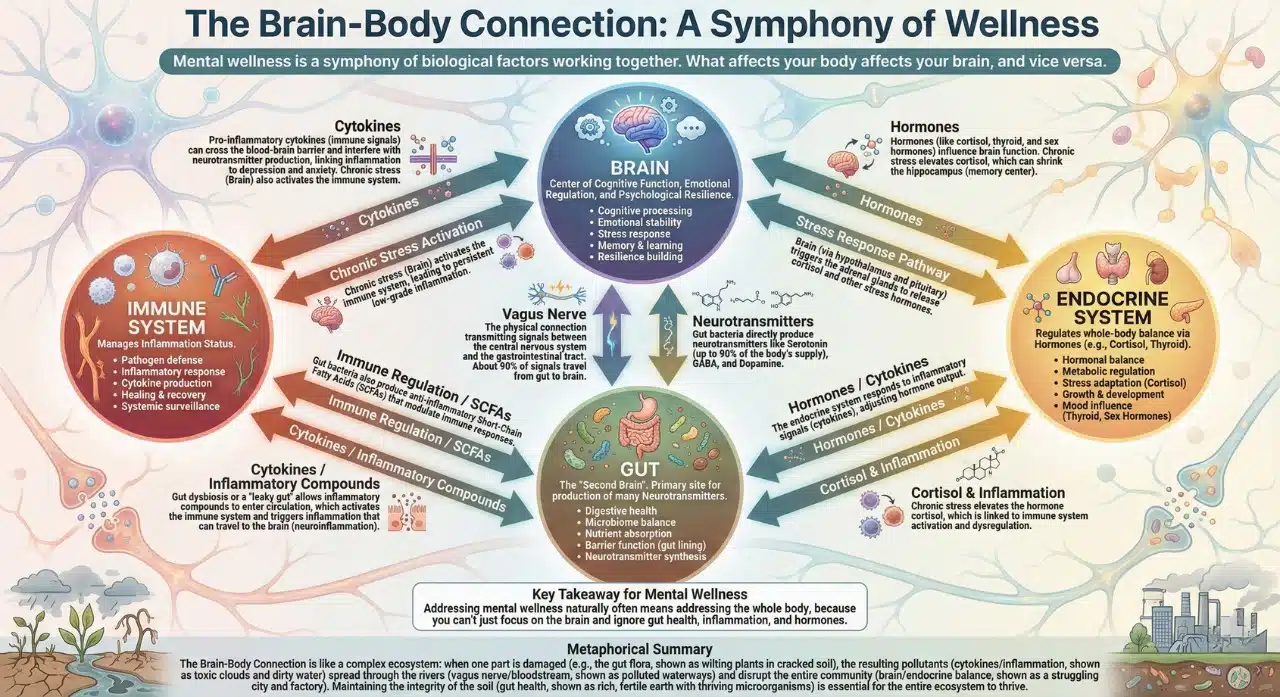
The immune-brain connection is equally important. Chronic inflammation from poor diet, lack of exercise, or ongoing stress activates your immune system in ways that directly impact brain function. Pro-inflammatory cytokines can cross the blood-brain barrier and interfere with neurotransmitter production, leading to symptoms we recognize as depression or anxiety.
The endocrine-brain connection involves hormones like cortisol, thyroid hormones, and sex hormones all influencing brain function. Chronic stress elevates cortisol, which over time can actually shrink the hippocampus—your brain’s memory center. Thyroid dysfunction often presents first as depression or anxiety before other symptoms appear.
This interconnectedness is why treating mental wellness naturally often means addressing the whole body. You can’t just focus on the brain and ignore gut health, inflammation, hormones, and metabolic function.
How Does the Brain Create Emotions and Thoughts?
Your brain is essentially an electrochemical organ. Everything you think, feel, and experience comes down to neurons firing and neurotransmitters crossing synapses. Understanding this basic neuroscience helps you see why natural interventions work.
Neurotransmitters are the key players:
Serotonin regulates mood, sleep, appetite, and social behavior. About 90% is produced in your gut, not your brain. Low serotonin is linked to depression, anxiety, and obsessive thinking. You can support serotonin production through:
- Tryptophan-rich foods (turkey, eggs, cheese, salmon)
- Sunlight exposure (triggers serotonin synthesis)
- Exercise (increases tryptophan availability to the brain)
- Gut health optimization (where most serotonin is made)
Dopamine drives motivation, pleasure, reward, and focus. It’s your “get up and go” neurotransmitter. Low dopamine contributes to lack of motivation, anhedonia (inability to feel pleasure), and attention problems. Support dopamine through:
- Tyrosine-rich foods (almonds, avocados, bananas)
- Regular exercise (increases dopamine receptors)
- Adequate sleep (dopamine receptors regenerate during sleep)
- Goal-setting and achievement (natural dopamine release)
GABA (gamma-aminobutyric acid) is your brain’s primary inhibitory neurotransmitter. It calms neural activity, reduces anxiety, and promotes relaxation. Low GABA is associated with anxiety disorders, insomnia, and racing thoughts. Boost GABA naturally through:
- Fermented foods (kimchi, yogurt, kefir)
- Green tea (contains L-theanine, which increases GABA)
- Yoga and meditation (increase GABA levels by up to 27%)
- Magnesium supplementation (GABA agonist)
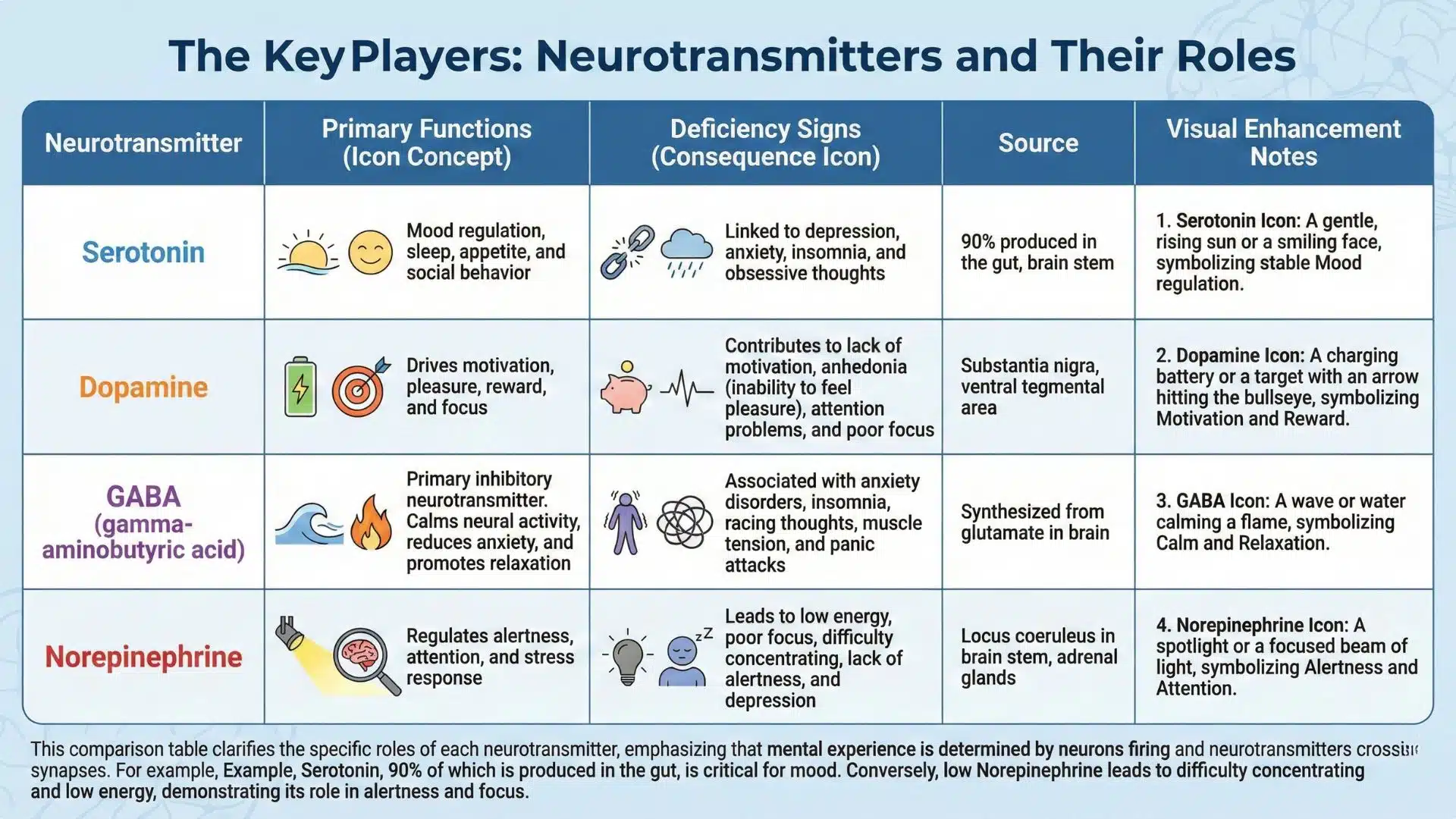
Norepinephrine regulates alertness, attention, and stress response. It’s involved in your fight-or-flight response but also in focus and motivation. Balanced norepinephrine helps you feel alert but not anxious. Support it through:
- Adequate protein intake (provides building blocks)
- Stress management (prevents depletion)
- Regular sleep schedule (maintains balance)
Brain-derived neurotrophic factor (BDNF) isn’t a neurotransmitter but a growth factor that’s crucial for brain health. It promotes neuroplasticity—your brain’s ability to form new connections and adapt. Low BDNF is linked to depression, cognitive decline, and neurodegenerative diseases. Increase BDNF through:
- Aerobic exercise (most powerful BDNF booster)
- Intermittent fasting (increases BDNF by 50-400%)
- Omega-3 fatty acids (especially DHA)
- Learning new skills (stimulates BDNF production)
Recent research on brain health and mental wellness shows that maintaining optimal neurotransmitter balance and promoting neuroplasticity are fundamental to emotional well-being (NIH, 2024. Science Updates from 2024. National Institute of Mental Health).
What Are the Benefits of Natural Mental Wellness Approaches?
Reduced Depression and Improved Mood
Multiple studies show that lifestyle interventions can be as effective as medication for mild to moderate depression. A 2024 systematic review found that exercise reduces depression across all populations (Singh et al., 2024. Effect of exercise for depression: systematic review and network meta-analysis. BMJ).
What’s happening? Exercise increases BDNF, promotes neurogenesis (growth of new brain cells), reduces inflammation, and improves neurotransmitter balance. The effect isn’t small—regular exercise can reduce depressive symptoms by 30-47%.
Omega-3 fatty acids, particularly EPA, show significant antidepressant effects. A 2024 study found that higher doses of omega-3s improve motivational symptoms and cognition in depressed individuals (MGH Psychiatry, 2024. High-Dose Omega-3 Fatty Acids Improve Aspects of Cognition in Depression). We cover this in detail in our omega-3 for brain health guide.
Lower Anxiety and Better Stress Resilience
Natural approaches to anxiety work by modulating your stress response system and supporting GABA production. Research shows that regular physical activity reduces anxiety symptoms by 20-30% (Mayo Clinic, 2024. Depression and anxiety: Exercise eases symptoms).
Adaptogenic herbs like ashwagandha and rhodiola help your body adapt to stress by regulating cortisol levels. We explore these in depth in our adaptogens for stress guide. Magnesium, often called “nature’s tranquilizer,” acts on GABA receptors to promote calm—learn more in our magnesium for mental health article.
Mind-body practices like meditation and breathwork directly activate your parasympathetic nervous system, shifting you from “fight or flight” to “rest and digest.” Even 10 minutes daily can reduce anxiety symptoms significantly. Check out our meditation for beginners guide to get started.
Enhanced Cognitive Function and Mental Clarity
Brain fog, poor concentration, and memory problems often stem from inflammation, poor blood flow to the brain, or neurotransmitter imbalances. Natural approaches can dramatically improve cognitive function.
The MIND diet (Mediterranean-DASH Intervention for Neurodegenerative Delay) has been shown to slow cognitive decline and reduce dementia risk by up to 53% (NIH News in Health, 2024. Healthy Eating Linked to Better Brain Health). This diet emphasizes brain foods like leafy greens, berries, nuts, fish, and olive oil—all covered in our brain foods guide.
Nootropics—compounds that enhance cognitive function—can improve memory, focus, and processing speed. Both natural options (like lion’s mane mushroom and bacopa) and synthetic ones (like racetams) show cognitive benefits. Our complete nootropics guide breaks down what works and what doesn’t.
Better Sleep Quality and Circadian Rhythm
Sleep and mental health have a bidirectional relationship. Poor sleep worsens mood and cognitive function, while anxiety and depression disrupt sleep. Natural approaches can break this cycle.
Optimizing your circadian rhythm through light exposure, consistent sleep-wake times, and evening routines can dramatically improve sleep quality. We cover comprehensive strategies in our sleep optimization guide.
Melatonin supplementation can help reset disrupted sleep patterns, especially for shift workers or those with delayed sleep phase disorder. Our melatonin guide explains proper dosing and timing.
Improved Emotional Regulation and Resilience
Emotional regulation—the ability to manage and respond to emotions effectively—is a cornerstone of mental wellness. Natural approaches strengthen the prefrontal cortex (your brain’s executive control center) and calm the amygdala (your emotional alarm system).
Regular mindfulness practice literally changes brain structure. Studies show that 8 weeks of meditation increases gray matter density in areas associated with emotional regulation and decreases it in the amygdala, reducing reactivity to stress.
Omega-3 fatty acids improve emotional regulation by supporting healthy brain cell membranes and reducing neuroinflammation. People with higher omega-3 levels show better emotional control and lower rates of mood disorders.
Who Should Consider Natural Mental Wellness Approaches?
Pretty much everyone, honestly. But these approaches are particularly valuable for:
People with mild to moderate symptoms who want to try lifestyle interventions before medication. Research shows that for mild to moderate depression and anxiety, lifestyle changes can be as effective as pharmaceutical interventions—without the side effects.
Those currently on medication who want to enhance treatment effects or potentially reduce dosages (always work with your healthcare provider on this). Natural approaches work synergistically with conventional treatment.
Anyone dealing with chronic stress that’s affecting mood, sleep, or cognitive function. Stress is the gateway to many mental health problems, and natural stress management techniques are highly effective. See our stress management techniques guide for practical strategies.
People with treatment-resistant depression or anxiety who haven’t responded well to conventional approaches. Sometimes addressing underlying factors like gut health, inflammation, or nutrient deficiencies can unlock progress.
Those focused on prevention who have a family history of mental health conditions or want to maintain optimal brain function as they age. Prevention is always easier than treatment.
Individuals experiencing brain fog, low energy, or cognitive decline that isn’t explained by a specific diagnosis. These symptoms often respond well to nutritional and lifestyle interventions.
Anyone recovering from burnout or dealing with the mental health impacts of chronic illness, trauma, or major life changes.
That said, natural approaches aren’t a replacement for professional help when it’s needed. If you’re experiencing severe symptoms, suicidal thoughts, or significant impairment in daily functioning, please seek professional support. Natural interventions work best as part of a comprehensive approach that may include therapy, medication, or other treatments.
How Does the Gut-Brain Axis Impact Mental Health?
The gut-brain axis impacts mental health by transmitting signals from the enteric nervous system to the brain via the vagus nerve, where gut bacteria produce 90% of your body’s serotonin.
This is where things get really interesting. Your gut and brain are in constant communication through the vagus nerve, immune signals, and the metabolites produced by your gut bacteria. This microbiota-gut-brain axis is one of the most exciting areas of mental health research.
Recent 2024 research shows that the gut microbiome directly influences brain structure and function through bidirectional pathways (Nature, 2024. Microbiota–gut–brain axis and its therapeutic applications in neurodegenerative diseases). Your gut bacteria produce neurotransmitters, regulate inflammation, and even influence the production of BDNF.
How gut health affects mental health:
Your gut bacteria produce neurotransmitters directly. Certain strains produce GABA, serotonin, dopamine, and acetylcholine. When your microbiome is out of balance (dysbiosis), neurotransmitter production suffers.
The gut barrier and blood-brain barrier are closely linked. When your gut becomes “leaky” from inflammation, stress, or poor diet, inflammatory compounds can enter circulation and eventually reach your brain. This neuroinflammation is strongly linked to depression and anxiety.
Your gut bacteria produce short-chain fatty acids (SCFAs) like butyrate when they ferment fiber. These SCFAs have anti-inflammatory effects and support the blood-brain barrier. Low SCFA production is associated with depression and cognitive decline.
The vagus nerve connects your gut and brain directly. About 90% of the signals travel from gut to brain, not the other way around. This is why gut problems often cause anxiety, and why vagus nerve stimulation can improve depression.
Supporting gut-brain health:
Eat fermented foods daily (yogurt, kefir, sauerkraut, kimchi) to introduce beneficial bacteria. These probiotic-rich foods have been shown to reduce anxiety and improve mood.
Consume prebiotic fiber to feed beneficial bacteria. Good sources include garlic, onions, leeks, asparagus, bananas, and oats. Aim for 25-35 grams of fiber daily.
Consider a high-quality probiotic supplement, especially strains shown to benefit mental health like Lactobacillus helveticus and Bifidobacterium longum. These “psychobiotics” have demonstrated anti-anxiety and antidepressant effects.
Reduce gut irritants like excessive alcohol, processed foods, artificial sweeteners, and unnecessary antibiotics. These disrupt your microbiome and increase gut permeability.
Manage stress, which directly impacts gut health through the gut-brain axis. Chronic stress reduces beneficial bacteria and increases gut permeability.
We dive much deeper into this topic in our gut-brain axis and mental health article and complete gut health guide.
What Are the Most Effective Natural Approaches to Mental Wellness?
What Is the Best Diet for Brain Health and Emotional Balance?
The best diet for brain health is the Mediterranean-style diet, rich in omega-3 fatty acids, antioxidants, and fiber, which reduces neuroinflammation and supports neurotransmitter production.
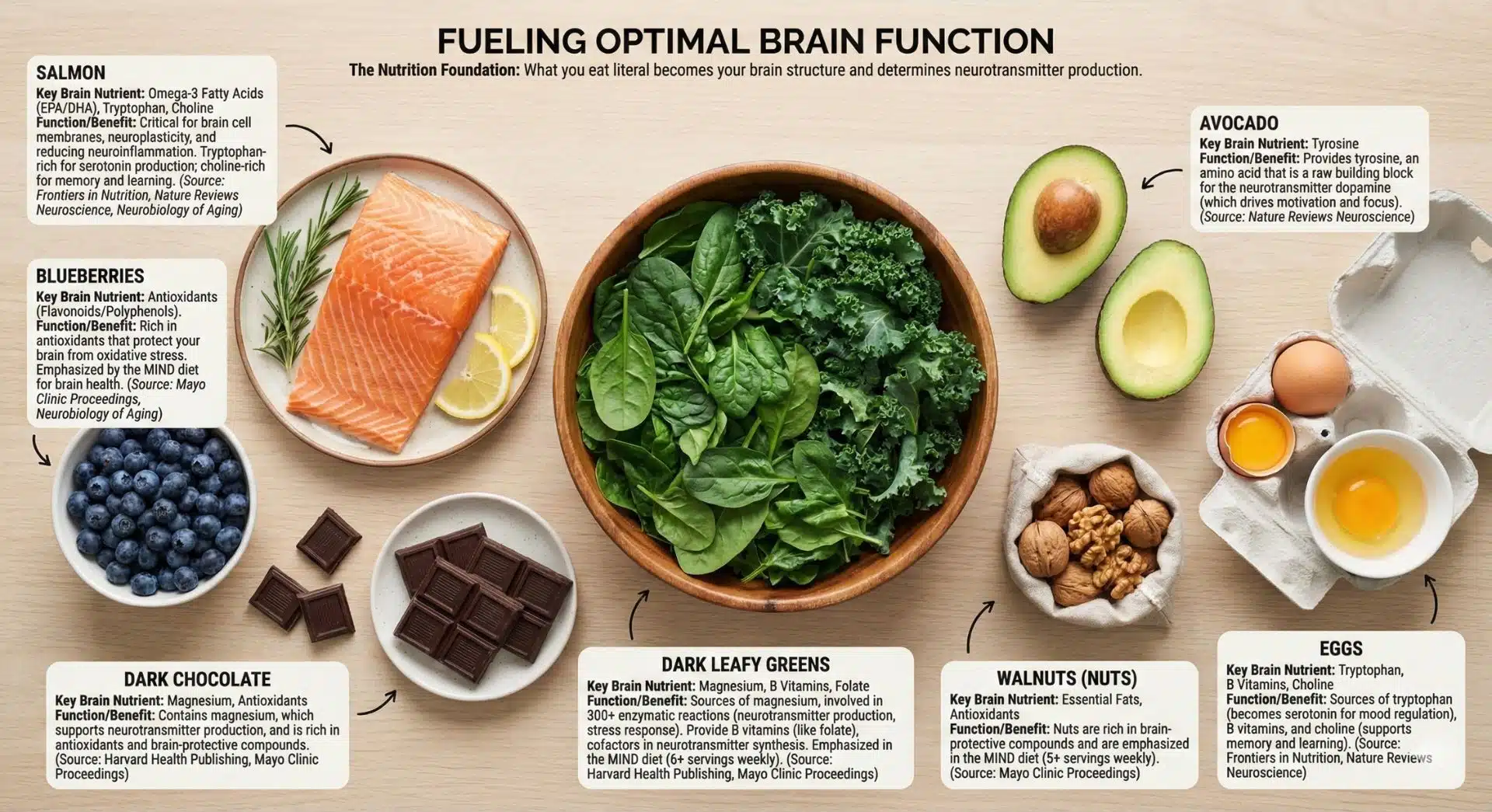
Your brain is about 60% fat and requires specific nutrients to function optimally. What you eat literally becomes your brain structure and determines neurotransmitter production.
Brain-essential nutrients:
Omega-3 fatty acids (EPA and DHA) are critical for brain cell membranes, neuroplasticity, and reducing neuroinflammation. Research shows omega-3s improve depression, anxiety, and cognitive function (Dighriri et al., 2022. Effects of Omega-3 Polyunsaturated Fatty Acids on Brain Functions. PMC). Get them from fatty fish (salmon, sardines, mackerel) or high-quality supplements. Target 1-2 grams of EPA+DHA daily. See our omega-3 for brain health guide for details.
B vitamins are cofactors in neurotransmitter synthesis. B6, B9 (folate), and B12 are particularly important for mental health. Deficiencies are common and linked to depression. Get them from leafy greens, legumes, eggs, meat, and nutritional yeast.
Magnesium is involved in over 300 enzymatic reactions, including neurotransmitter production and stress response regulation. About 50% of Americans are deficient. Food sources include dark leafy greens, nuts, seeds, and dark chocolate. Supplementation often helps—see our magnesium for mental health article.
Amino acids are the building blocks of neurotransmitters. Tryptophan becomes serotonin, tyrosine becomes dopamine and norepinephrine. Adequate protein intake (0.7-1 gram per pound of body weight) ensures you have the raw materials for neurotransmitter production.
Antioxidants protect your brain from oxidative stress. Berries, dark chocolate, green tea, and colorful vegetables are rich in brain-protective compounds like flavonoids and polyphenols.
The MIND diet combines Mediterranean and DASH diets specifically for brain health. It emphasizes:
- Leafy greens (6+ servings weekly)
- Other vegetables (1+ daily)
- Berries (2+ servings weekly)
- Nuts (5+ servings weekly)
- Olive oil (primary fat)
- Whole grains (3+ servings daily)
- Fish (1+ serving weekly)
- Beans (3+ servings weekly)
- Poultry (2+ servings weekly)
- Wine (optional, 1 glass daily)
This eating pattern has been shown to reduce depression risk by 11% and slow cognitive decline significantly (NIH News in Health, 2024. Healthy Eating Linked to Better Brain Health).
Check out our comprehensive brain foods guide for specific foods that support mental wellness.
What Are the Best Natural Supplements for Mental Wellness?
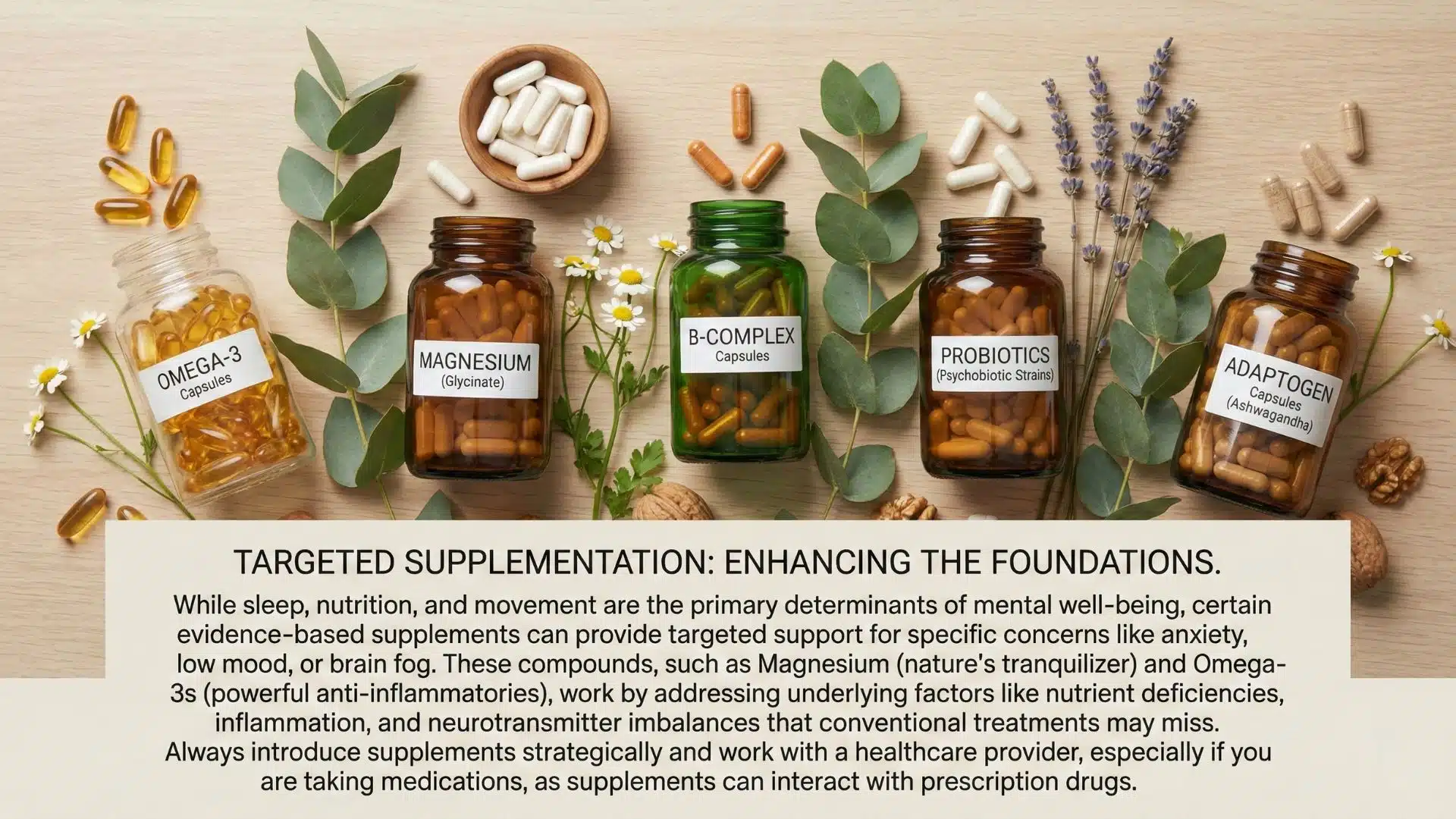
While food should be your foundation, certain supplements can provide targeted support for mental health. Here are the most evidence-based options:
Omega-3 fatty acids (EPA/DHA): 1-2 grams daily, emphasizing EPA for mood support. Look for third-party tested brands to ensure purity. Omega-3 for brain health
Magnesium: 200-400mg daily, preferably as glycinate or threonate for better brain absorption. Magnesium for mental health
Vitamin D: 2,000-4,000 IU daily if deficient (get levels tested). Deficiency is strongly linked to depression.
B-complex: Especially if you’re vegetarian/vegan or over 50. Look for methylated forms (methylfolate, methylcobalamin) for better absorption.
Probiotics: Strains like Lactobacillus helveticus R0052 and Bifidobacterium longum R0175 have shown anti-anxiety effects. Gut-brain axis guide
Adaptogens: Ashwagandha, rhodiola, and holy basil help your body adapt to stress by modulating cortisol. Adaptogens for stress
Nootropics: Lion’s mane mushroom, bacopa, and ginkgo biloba can enhance cognitive function. Complete nootropics guide
St. John’s Wort: Effective for mild to moderate depression, comparable to SSRIs in studies. Important: interacts with many medications. St. John’s Wort for depression
SAMe (S-adenosylmethionine): Supports neurotransmitter production and has antidepressant effects. Start with 400mg daily.
L-theanine: Amino acid from green tea that promotes relaxation without sedation. Increases GABA and alpha brain waves. 200mg as needed.
For a complete breakdown of mood-supporting supplements, see our mood-boosting supplements guide and brain health supplements overview.
Which Daily Lifestyle Habits Improve Mental Wellness?
Sleep optimization is non-negotiable. Poor sleep worsens every aspect of mental health. Prioritize:
- Consistent sleep-wake times (even on weekends)
- 7-9 hours nightly
- Dark, cool bedroom (65-68°F)
- No screens 1-2 hours before bed
- Morning sunlight exposure to set circadian rhythm
Our sleep optimization guide covers this in detail, and our melatonin guide explains when supplementation helps.
Physical activity is one of the most powerful mental health interventions. Aim for:
- 150 minutes of moderate activity weekly (or 75 minutes vigorous)
- Mix of cardio and strength training
- Daily movement, even if just walking
- Outdoor exercise when possible (combines benefits of movement and nature)
You don’t need intense workouts. Even walking 30 minutes daily reduces depression risk by 26%.
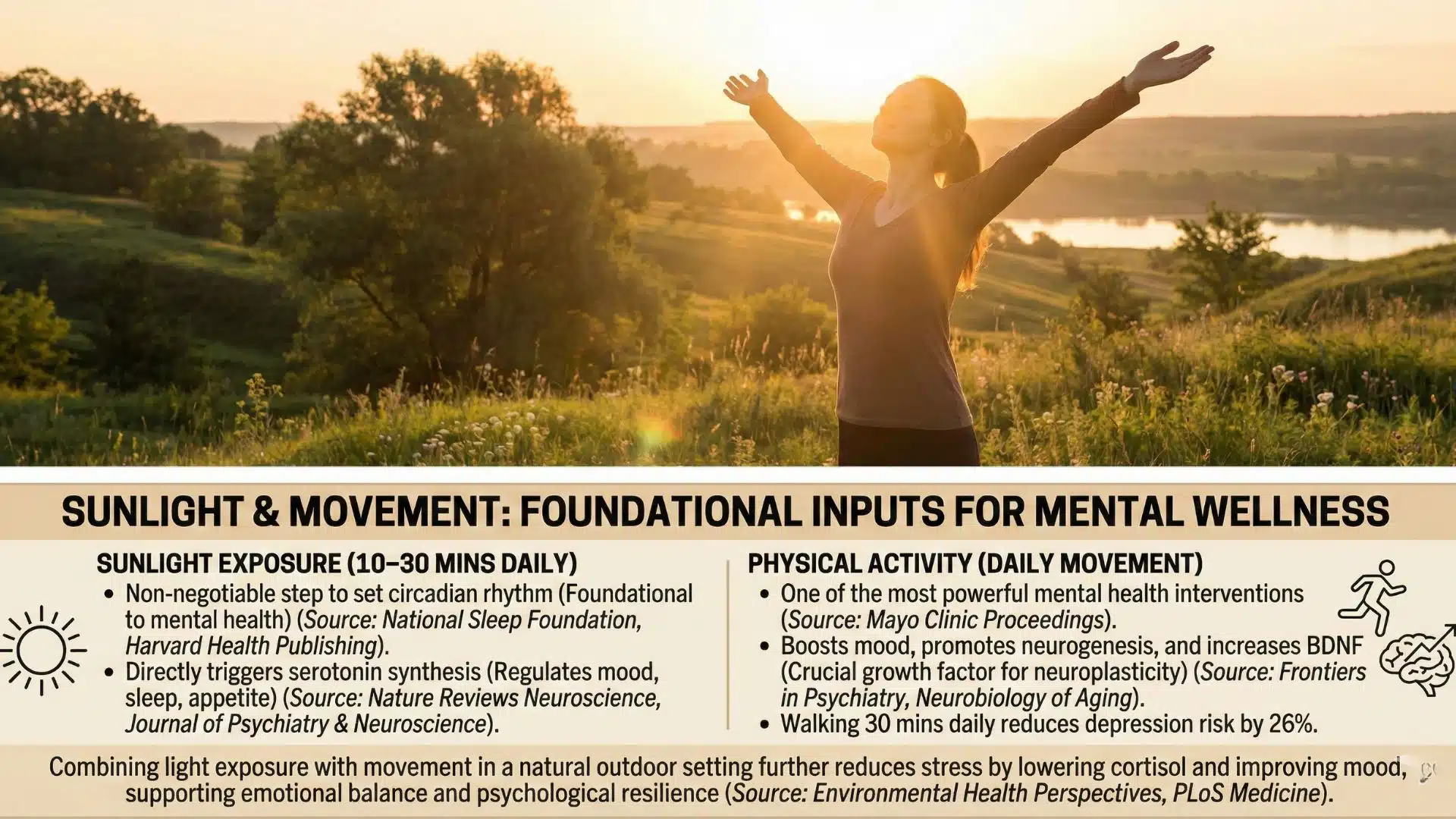
Sunlight exposure regulates circadian rhythm, boosts vitamin D, and increases serotonin. Get 10-30 minutes of morning sunlight daily (no sunglasses, but protect your skin). Light therapy lamps can help in winter or for shift workers.
Nature exposure reduces stress, lowers cortisol, and improves mood. Forest bathing (spending time in nature) has measurable effects on mental health. Aim for at least 2 hours weekly in natural settings.
Stress management prevents the cascade of negative effects chronic stress has on mental health. Effective techniques include:
- Deep breathing exercises
- Progressive muscle relaxation
- Time in nature
- Creative activities
- Setting boundaries
- Time management
Our stress management techniques guide provides practical strategies you can implement immediately.
Which Mind-Body Practices Actually Retrain Your Brain?

Meditation changes brain structure and function. Regular practice increases gray matter in areas associated with emotional regulation, self-awareness, and compassion while decreasing it in the amygdala (reducing stress reactivity).
Start small—even 5-10 minutes daily provides benefits. Apps like Headspace or Calm can guide you. Our meditation for beginners guide walks you through getting started.
Breathwork directly activates your parasympathetic nervous system, shifting you out of stress mode. Techniques like box breathing (4-4-4-4), 4-7-8 breathing, or alternate nostril breathing can reduce anxiety within minutes.
Yoga combines movement, breathwork, and mindfulness. Research shows it’s effective for depression, anxiety, and PTSD. You don’t need to be flexible or fit—gentle, restorative yoga provides mental health benefits.
Mindfulness practices train your brain to stay present rather than ruminating on the past or worrying about the future. This reduces anxiety and improves emotional regulation.
Gratitude practices literally rewire your brain toward positivity. Writing down 3 things you’re grateful for daily increases happiness and reduces depression symptoms.
Why Is Social Connection Considered Medicine for the Brain?

Humans are social creatures. Loneliness and social isolation are as harmful to health as smoking 15 cigarettes daily. Strong social connections, on the other hand, are protective against mental illness and promote resilience.
Prioritize quality relationships. Deep, meaningful connections matter more than number of friends. Invest time in relationships that are reciprocal, supportive, and authentic.
Join communities around shared interests or values. This could be a sports team, book club, volunteer organization, or faith community. Shared purpose strengthens bonds.
Practice vulnerability. Opening up about struggles deepens relationships and reduces the shame that often accompanies mental health challenges.
Set boundaries with toxic or draining relationships. Not all social connection is beneficial. Protect your mental health by limiting exposure to people who consistently make you feel worse.
Help others. Volunteering and acts of kindness boost mood, increase sense of purpose, and connect you with others. The mental health benefits of helping are well-documented.
How Does Mental Wellness Change Across the Lifespan?
Mental wellness needs change as we age. Here’s what to focus on at different life stages:
Children and adolescents: Establish healthy sleep habits, limit screen time, encourage outdoor play, teach emotional regulation skills, ensure adequate nutrition (especially omega-3s for developing brains), foster secure attachments and social skills.
Young adults: Manage academic/career stress, establish work-life balance, build healthy relationship patterns, develop stress management skills, address substance use issues early, maintain social connections during transitions.
Middle age: Prevent burnout, manage multiple responsibilities (career, family, aging parents), maintain physical activity as metabolism slows, address hormonal changes (perimenopause, andropause), stay socially connected despite busy schedules.
Older adults: Stay cognitively engaged (learning, puzzles, social interaction), maintain physical activity to preserve brain health, address social isolation and loneliness, manage chronic health conditions that affect mental health, optimize medications (many have mental health side effects), ensure adequate nutrition (absorption often decreases with age).
What Are the Red Flags That Signal You Need Professional Help?
The red flags that signal a need for professional help include suicidal ideation, inability to perform daily tasks (like showering or eating), and persistent hopelessness that lasts longer than two weeks.
Natural approaches are powerful, but they’re not always enough. Seek professional help if you experience:
Immediate crisis:
- Suicidal thoughts or plans
- Thoughts of harming others
- Psychotic symptoms (hallucinations, delusions)
- Severe panic attacks that feel unmanageable
Significant impairment:
- Unable to work, go to school, or maintain basic self-care
- Relationships are seriously suffering
- Substance use is out of control
- Eating patterns are dangerously disrupted
Persistent symptoms despite natural interventions:
- Depression lasting more than 2 weeks
- Anxiety that interferes with daily life
- Sleep problems lasting more than a month
- Cognitive decline that’s worsening
Trauma that needs processing:
- PTSD symptoms
- Childhood trauma affecting current functioning
- Recent traumatic events
Professional help might include therapy (CBT, EMDR, psychodynamic), medication (when appropriate), or intensive programs. Natural approaches can complement professional treatment—they’re not mutually exclusive.
If you’re in crisis, call 988 (Suicide and Crisis Lifeline) or text HOME to 741741 (Crisis Text Line).
How Do You Build a Personalized Mental Wellness Routine?
You build a personalized mental wellness routine by stacking habits in a hierarchy: first stabilizing sleep and nutrition, then adding movement, and finally integrating supplements and mindfulness practices.
Okay, so you’ve got all this information. Now what? Here’s how to create a plan that actually works for you.
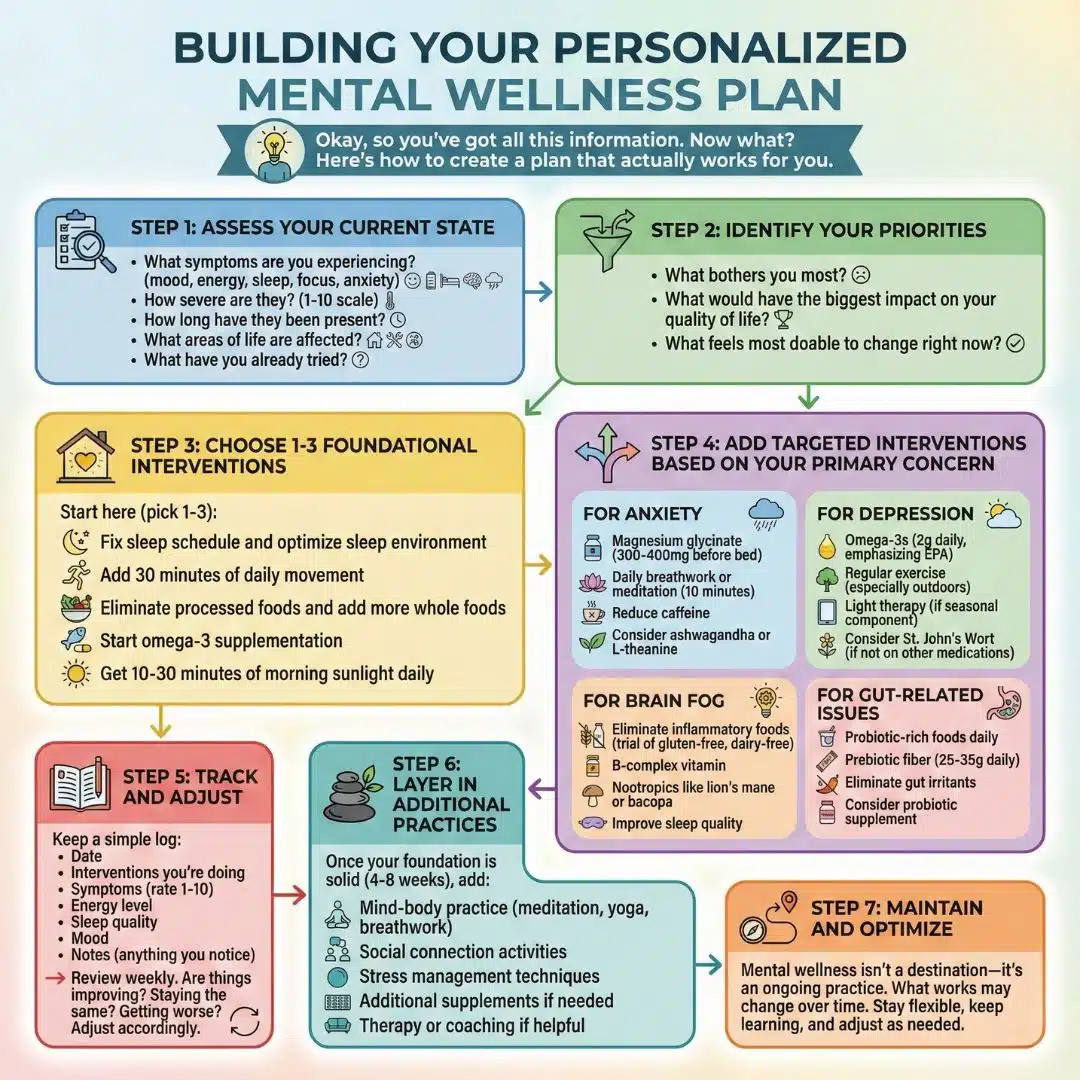
Step 1: Assess your current state
- What symptoms are you experiencing? (mood, energy, sleep, focus, anxiety)
- How severe are they? (1-10 scale)
- How long have they been present?
- What areas of life are affected?
- What have you already tried?
Step 2: Identify your priorities
- What bothers you most?
- What would have the biggest impact on your quality of life?
- What feels most doable to change right now?
Step 3: Choose 1-3 foundational interventions
Start here (pick 1-3):
- Fix sleep schedule and optimize sleep environment
- Add 30 minutes of daily movement
- Eliminate processed foods and add more whole foods
- Start omega-3 supplementation
- Get 10-30 minutes of morning sunlight daily
Step 4: Add targeted interventions based on your primary concern
For anxiety:
- Magnesium glycinate (300-400mg before bed)
- Daily breathwork or meditation (10 minutes)
- Reduce caffeine
- Consider ashwagandha or L-theanine
For depression:
- Omega-3s (2g daily, emphasizing EPA)
- Regular exercise (especially outdoors)
- Light therapy (if seasonal component)
- Consider St. John’s Wort (if not on other medications)
For brain fog:
- Eliminate inflammatory foods (trial of gluten-free, dairy-free)
- B-complex vitamin
- Nootropics like lion’s mane or bacopa
- Improve sleep quality
For gut-related issues:
- Probiotic-rich foods daily
- Prebiotic fiber (25-35g daily)
- Eliminate gut irritants
- Consider probiotic supplement
Step 5: Track and adjust
Keep a simple log:
- Date
- Interventions you’re doing
- Symptoms (rate 1-10)
- Energy level
- Sleep quality
- Mood
- Notes (anything you notice)
Review weekly. Are things improving? Staying the same? Getting worse? Adjust accordingly.
Step 6: Layer in additional practices
Once your foundation is solid (4-8 weeks), add:
- Mind-body practice (meditation, yoga, breathwork)
- Social connection activities
- Stress management techniques
- Additional supplements if needed
- Therapy or coaching if helpful
Step 7: Maintain and optimize
Mental wellness isn’t a destination—it’s an ongoing practice. What works may change over time. Stay flexible, keep learning, and adjust as needed.
Where Should You Start? A Hierarchy of Natural Mental Wellness
With so many options—supplements, diet changes, exercise, meditation, therapy—how do you know where to start?
Here’s my framework.
Start with the foundations. Before adding supplements or trying advanced techniques, nail the basics:
- Sleep 7-9 hours consistently
- Eat mostly whole foods with adequate protein
- Move your body daily (even just walking)
- Get morning sunlight
- Manage stress with at least one daily practice
These fundamentals have the biggest impact. A 2024 study examining mental health and lifestyle factors found that sleep, diet, and exercise are the primary determinants of mental well-being (PMC, 2024. Mental Health and Well-Being in the Modern Era).
Identify your primary concern. Different approaches work better for different issues:
- Anxiety/stress: Magnesium, adaptogens, breathwork, GABA support
- Depression/low mood: Omega-3s, exercise, light therapy, St. John’s wort
- Brain fog/focus: Nootropics, B vitamins, elimination of inflammatory foods
- Sleep issues: Melatonin, sleep hygiene, circadian optimization
- All of the above: Gut health optimization (often the root cause)
Consider your lifestyle and preferences. The best approach is one you’ll actually stick with. Hate exercise? Start with walking and build from there. Can’t meditate? Try breathwork or yoga instead. Struggle with diet changes? Begin with one meal at a time.
Test and track. Mental wellness is highly individual. What works for your friend might not work for you. Keep a simple log of:
- Interventions you’re trying
- Symptoms you’re tracking (mood, energy, sleep quality, focus)
- Changes you notice over time
Give each intervention at least 4-6 weeks before evaluating effectiveness. Brain chemistry changes take time.
Layer interventions strategically. Don’t try to change everything at once. Start with 1-2 interventions, establish them as habits, then add more. A typical progression might be:
- Fix sleep and add morning sunlight (weeks 1-4)
- Add omega-3 supplementation and increase protein (weeks 5-8)
- Start regular exercise routine (weeks 9-12)
- Add meditation or breathwork practice (weeks 13-16)
- Optimize gut health with probiotics and fermented foods (weeks 17-20)
Work with professionals when appropriate. A functional medicine doctor, naturopath, or integrative psychiatrist can help identify underlying issues like nutrient deficiencies, hormonal imbalances, or chronic infections that might be contributing to symptoms.
How Do You Choose High-Quality Supplements (And Avoid Wasting Money)?
To choose high-quality supplements, look for third-party testing (NSF or GMP), check for bioavailable forms (like glycinate over oxide), and avoid products with proprietary blends that hide dosages.
Look, the supplement industry is the Wild West. I’ve seen so many people buy the cheapest “Brain Support” bottle on Amazon, feel absolutely nothing, and decide that natural remedies don’t work.
The problem isn’t the natural approach. The problem is usually the product.
If you’re shopping for mental wellness supplements, here is your non-negotiable checklist. If a bottle doesn’t meet these criteria, put it back on the shelf.
- Check the “Form,” Not Just the Name: This is where most people get tripped up. Take Magnesium. If the label says “Magnesium Oxide,” you’re basically buying a laxative that won’t do much for your anxiety. You want Magnesium Glycinate or Threonate—forms that actually cross the blood-brain barrier.
- Look for Patented Extracts: Generic herbal powders are often just ground-up roots with very little active medicine. For Ashwagandha, look for KSM-66® or Sensoril®. For Curcumin, look for Meriva® or Longvida®. These are standardized, meaning you know exactly how much active compound you’re getting every single time.
- Third-Party Testing is Mandatory: Since the FDA doesn’t strictly regulate supplements, you need a third party to verify that what’s on the label is actually in the pill (and that there’s no lead or mercury). Look for seals from NSF Certified for Sport, USP, or ConsumerLab.
- Avoid “Proprietary Blends”: This is a red flag. If a label says “Calm Blend: 500mg” and lists five ingredients without telling you the exact amount of each, run. They’re usually hiding the fact that they used 99% cheap filler and 1% of the expensive good stuff.
Disclaimer: I’m a researcher, not your doctor. Always check with your healthcare provider before starting new supplements, especially if you take medication.
Timing matters just as much as the supplement itself. Taking B vitamins at night? You’ll probably be staring at the ceiling at 2 AM. Taking Zinc on an empty stomach? You might feel nauseous.
Here is a quick reference guide for the foundational mental wellness stack:
What Are the Best Dosages and Timing for Supplements?
The best dosage and timing depends on the compound: stimulating nutrients (B-Complex, Vitamin D) should be taken in the morning, while sedating ones (Magnesium, Ashwagandha) are best taken 30-60 minutes before bed.
| Supplement | Dosage | Best Time | Notes |
|---|---|---|---|
| Magnesium Glycinate | 200–400 mg | 1 hour before bed | Best for sleep and physical relaxation. |
| Omega-3 (Fish Oil) | 1,000–2,000 mg (EPA+DHA) | With a meal (fat helps absorption) | Look for a high EPA ratio (2:1) for mood. |
| Vitamin D3 + K2 | 2,000–5,000 IU | Morning with breakfast | Must take with fat. Check levels annually. |
| B-Complex (Methylated) | 1 capsule (check label) | Morning or early afternoon | Energizing. Look for "Methylfolate," not Folic Acid. |
| Ashwagandha (KSM-66) | 300–600 mg | Morning or Evening | Cyclical use recommended (e.g., 5 days on, 2 days off). |
| L-Theanine | 100–200 mg | With morning coffee or during stress | Pairs perfectly with caffeine to stop the "jitters." |
What Are The Potential Side Effects and Safety Considerations?
Natural doesn’t mean harmless. Arsenic is natural, right? You definitely don’t want to eat that.
When it comes to brain health, interactions are real. Here are the big ones you need to know about:
- The “Serotonin Syndrome” Risk: If you are currently taking SSRIs (antidepressants like Zoloft, Prozac, or Lexapro), be extremely careful with supplements that boost serotonin. St. John’s Wort, 5-HTP, and SAMe can stack with your medication and cause serotonin syndrome, which is dangerous and potentially fatal. Never mix these without doctor supervision.
- Blood Thinning: High-dose Omega-3s, Ginkgo Biloba, and Curcumin have mild blood-thinning effects. If you’re on Warfarin or have surgery coming up, you need to pause these.
- The “Sedation” Stack: If you take anti-anxiety meds (benzodiazepines), adding heavy hitters like Valerian Root, Kava, or high-dose Magnesium can make you excessively drowsy or slow your breathing.
Start low and go slow. Introduce one new thing at a time so you know exactly how your body reacts.
What Are the Top Recommended Products for Mental Wellness?
Nordic Naturals Ultimate Omega
For brain health and mood support, omega-3s are non-negotiable. Nordic Naturals Ultimate Omega provides 1,280mg of omega-3s per serving (640mg EPA, 480mg DHA) in highly absorbable triglyceride form.
- High EPA content (crucial for mood support)
- Third-party tested for purity and potency
- Sustainable fishing practices (Friend of the Sea certified)
- Lemon flavor minimizes fishy aftertaste
- Triglyceride form (better absorption than ethyl ester)
- No artificial additives or preservatives
- High quality
- Great absorption
- Sustainable sourcing
- Effective doses
- More expensive than budget brands
- Requires refrigeration after opening
EPA reduces depression & anxiety symptoms. 640mg hits therapeutic range.
Dealing with anxiety, brain fog, or cognitive decline prevention.
2 soft gels daily with food.
Secure transaction via Amazon
Life Extension Neuro-Mag Magnesium L-Threonate
Most magnesium supplements don’t cross the blood-brain barrier effectively. Magnesium L-threonate is specifically designed to increase brain magnesium levels, which is what you want for mental wellness.
- Patented Magtein form (only magnesium shown to cross blood-brain barrier)
- 2,000mg magnesium L-threonate per serving (144mg elemental magnesium)
- Supports cognitive function and memory
- Promotes relaxation without sedation
- Vegetarian capsules
- Non-GMO
- Only form proven to increase brain magnesium
- Supports both mood and cognition
- Well-tolerated
- More expensive than other magnesium forms
- Requires 3 capsules daily
Magnesium regulates GABA receptors, reduces stress response, and supports healthy neurotransmitter function. L-threonate form specifically increases brain magnesium, improving synaptic plasticity and cognitive function
People with anxiety, stress, sleep issues, or cognitive decline. Especially helpful if you've tried other magnesium forms without results.
Take 3 capsules daily (1 in morning, 2 before bed) or as directed by healthcare provider
Secure transaction via Amazon
KSM-66 Ashwagandha by Nootropics Depot
Ashwagandha is one of the most well-researched adaptogens for stress and anxiety. KSM-66 is the most clinically studied ashwagandha extract, with over 20 human trials supporting its effectiveness.
- 300mg KSM-66 organic ashwagandha root extract per capsule
- Full-spectrum extract (maintains natural balance of constituents)
- Standardized to 5% withanolides (active compounds)
- Organic and non-GMO
- Third-party tested for purity
- Vegan capsules
- Extensively researched
- Effective for stress and anxiety
- Improves sleep
- Supports energy
- Takes 2-4 weeks for full effects
- May lower blood pressure (monitor if on BP meds)
Ashwagandha reduces cortisol (stress hormone) by up to 30%, reduces anxiety symptoms, improves stress resilience, and supports healthy sleep. It's an adaptogen, meaning it helps your body adapt to stress rather than just masking symptoms.
Anyone dealing with chronic stress, anxiety, burnout, or sleep issues related to stress. Particularly helpful for stress-related fatigue.
Take 300-600mg daily (1-2 capsules). Take in evening if using primarily for sleep support, or split dose morning and evening.
Secure transaction via Amazon
Garden of Life Dr. Formulated Mood+
- 16 probiotic strains, 50 billion CFU
- Includes clinically studied psychobiotic strains
- Organic ashwagandha and blueberry added for additional mood support
- Shelf-stable (no refrigeration required)
- Delayed-release capsules (survive stomach acid)
- Organic, non-GMO, gluten-free, dairy-free
- Clinically studied strains for mental health
- Comprehensive formula
- Shelf-stable
- Includes adaptogens
- More expensive than basic probiotics
- Contains multiple ingredients (harder to isolate what's working)
The gut produces 90% of your body's serotonin. These specific probiotic strains have been shown in clinical trials to reduce anxiety, improve mood, and support stress resilience through gut-brain communication.
Anyone with anxiety, depression, or mood issues, especially if accompanied by digestive symptoms. Great for those who've tried other mental health interventions without addressing gut health.
Take 2 capsules daily, preferably on an empty stomach or with a light meal.
Secure transaction via Amazon
Thorne Research B-Complex #12
- Active forms: methylfolate, methylcobalamin, pyridoxal-5-phosphate
- Complete B-complex with all 8 B vitamins
- Optimal doses for mental health support
- No artificial additives or allergens
- NSF Certified for Sport (tested for banned substances)
- Vegetarian capsules
- Active forms for better absorption
- Comprehensive formula
- High quality
- Well-tolerated
- May cause bright yellow urine (harmless, from riboflavin)
- Some people need to start with half dose
B vitamins are required for producing serotonin, dopamine, norepinephrine, and GABA. Deficiencies are common (especially B12 in vegetarians/vegans and folate in those with MTHFR variations) and linked to depression, anxiety, and cognitive decline.
Anyone with depression, anxiety, fatigue, or cognitive issues. Especially important for vegetarians/vegans, people over 50, those on certain medications (metformin, PPIs, birth control), or anyone with MTHFR gene variations.
Take 1 capsule daily with food.
Secure transaction via Amazon
Lion's Mane Mushroom by Real Mushrooms
- 1,500mg organic lion's mane per serving
- Fruiting body extract (not mycelium on grain)
- >30% beta-glucans (active compounds)
- Organic, non-GMO, vegan
- No fillers or additives
- Third-party tested for purity
- Well-researched
- Supports both cognition and mood
- Neuroprotective
- Well-tolerated
- Takes several weeks for noticeable effects
- More expensive than synthetic nootropics
Lion's mane promotes NGF production, which supports neuroplasticity, memory, and cognitive function. It also has mild anxiolytic (anti-anxiety) effects and may support mood through its neuroprotective properties.
Anyone dealing with brain fog, memory issues, difficulty concentrating, or mild cognitive decline. Also helpful for those recovering from burnout or dealing with stress-related cognitive impairment.
Take 2 capsules daily (1,500mg total). Effects build over 2-4 weeks of consistent use.
Secure transaction via Amazon
Carex Day-Light Classic Plus
For seasonal affective disorder (SAD), circadian rhythm issues, or winter blues, light therapy is one of the most effective interventions. This lamp provides the right intensity and spectrum to reset your circadian rhythm and boost mood.
- 10,000 lux at 12 inches (therapeutic intensity)
- Full-spectrum white light (UV-free)
- Large surface area (17" x 13") for comfortable use
- Adjustable height and angle
- Glare-free diffuser screen
- Clinically proven effective for SAD
- Clinically proven effective
- Large surface area
- Adjustable
- UV-free
- Well-made
- Expensive upfront
- Requires daily use for effectiveness
- Bulky to store
Light therapy increases serotonin production, regulates circadian rhythm, and improves mood. It's as effective as antidepressants for seasonal depression and helps with sleep issues, energy, and focus.
Anyone with seasonal affective disorder, winter blues, shift work sleep disorder, or circadian rhythm issues. Also helpful for those in northern climates with limited winter sunlight.
Use for 20-30 minutes each morning within 2 hours of waking. Position 12-24 inches from face while doing other activities (eating breakfast, reading, working).
Secure transaction via Amazon
Hugger Mugger Zafu Meditation Cushion
- 14" diameter, 6" height (standard size)
- Organic cotton cover (removable and washable)
- Buckwheat hull filling (molds to your body)
- Carrying handle for portability
- Multiple color options
- Made in USA
- Comfortable
- Durable
- Traditional design
- Adjustable firmness (can remove filling)
- Washable cover
- May be too firm initially (buckwheat hulls soften with use)
- Height may not suit everyone
Meditation is one of the most powerful mental wellness practices, but discomfort often prevents people from sticking with it. Proper cushioning allows you to sit comfortably for longer periods, making it easier to establish a consistent practice.
Anyone starting or maintaining a meditation practice. Particularly helpful for those who find sitting on the floor uncomfortable or struggle with proper posture during meditation.
As needed
Secure transaction via Amazon
How Do These Top Mental Wellness Products Compare?
| Product | Primary Benefit | Form | Typical Dose | Best For | Price Range | Link |
|---|---|---|---|---|---|---|
| Nordic Naturals Ultimate Omega | Mood support, brain health | Soft gels | 2 daily | Depression, anxiety, cognitive function | $35-$55 | View on Amazon |
| Life Extension Neuro-Mag | Stress reduction, cognitive support | Capsules | 3 daily | Anxiety, stress, brain fog | $30-$40 | View on Amazon |
| KSM-66 Ashwagandha | Stress resilience, cortisol reduction | Capsules | 1-2 daily | Chronic stress, anxiety, burnout | $15-$25 | View on Amazon |
| Garden of Life Mood+ | Gut-brain axis support | Capsules | 2 daily | Anxiety, mood issues with gut symptoms | $30-$45 | View on Amazon |
| Thorne B-Complex #12 | Neurotransmitter production | Capsules | 1 daily | Depression, fatigue, cognitive issues | $20-$30 | View on Amazon |
| Real Mushrooms Lion's Mane | Focus, memory, neuroprotection | Capsules | 2 daily | Brain fog, memory issues, concentration | $25-$35 | View on Amazon |
| Carex Day-Light Classic Plus | Circadian rhythm, seasonal mood | Light therapy | 20-30 min daily | SAD, winter blues, sleep issues | $120-$180 | View on Amazon |
| Hugger Mugger Zafu Cushion | Meditation support | Cushion | As needed | Establishing meditation practice | $35-$50 | View on Amazon |
What Are the Best Books on Mental Wellness?
The Inflamed Mind
- Edward Bullmore, MD, PhD (Professor of Psychiatry, University of Cambridge)

This groundbreaking book explores the connection between inflammation and mental health, presenting compelling evidence that depression is often an inflammatory condition, not just a chemical imbalance. Dr. Bullmore, a leading neuroscientist and psychiatrist, explains how immune system dysfunction can cause depression and anxiety, and what we can do about it.
- Beyond Chemical Imbalance: Understand the cutting-edge science connecting the immune system to the brain.
- Actionable Insights: Explains why anti-inflammatory approaches (diet, exercise, omega-3s) actually work.
- Expert Author: Written by a Professor of Psychiatry at Cambridge University in accessible language.
Neuroscience / Mental Health
Anyone starting or maintaining a meditation practice. Particularly helpful for those who find sitting on the floor uncomfortable or struggle with proper posture during meditation.
Secure transaction via Amazon
The Mind-Gut Connection
- Emeran Mayer, MD (Professor of Medicine, UCLA; Director of UCLA Center for Neurobiology of Stress)

Dr. Mayer is a pioneer in gut-brain axis research. This book explains how the trillions of microbes in your gut communicate with your brain and influence your emotions, decisions, and overall mental health. It includes practical advice for optimizing gut health to improve mental wellness.
- Exciting Research: Dr. Mayer is a pioneer in the "gut-brain axis," one of the most vital areas of modern health.
- Actionable Insights: Provides practical strategies to optimize your gut health for better mental wellness.
- Understandable: Makes complex neuroscience and biology easy for anyone to grasp.
The gut-brain connection is one of the most exciting areas of mental health research, and Dr. Mayer is the leading expert. This book makes complex neuroscience understandable and provides actionable strategies.
Neuroscience / Mental Health
Anyone with anxiety, depression, or mood issues accompanied by digestive symptoms; people interested in the microbiome; those who haven't responded well to conventional mental health treatments.
Secure transaction via Amazon
The Body Keeps the Score
- Bessel van der Kolk, MD (Professor of Psychiatry, Boston University; Founder of Trauma Research Foundation)

While focused on trauma, this book is essential reading for understanding how experiences become embedded in our bodies and brains, affecting mental health. Dr. van der Kolk explores how trauma changes brain structure and function, and reviews evidence-based approaches for healing, including yoga, EMDR, neurofeedback, and mindfulness.
- Root Causes: Explains how past experiences physically shape our nervous system and brain structure.
- Compassionate Insight: Written with deep empathy, validating the physical reality of trauma.
- Holistic Healing: Reviews diverse treatments like yoga, EMDR, and neurofeedback beyond just talk therapy.
Mental wellness isn’t just about current lifestyle—it’s also about processing past experiences that shape our nervous system. This book explains the neuroscience of trauma and recovery in compassionate, accessible language.
Neuroscience / Mental Health
Anyone dealing with trauma, PTSD, anxiety, or depression; people interested in mind-body approaches; therapists and healthcare providers.
Secure transaction via Amazon
Which Nutrients Support Specific Neurotransmitters?
| Neurotransmitter | Primary Functions | Natural Support | Deficiency Signs | Precursor | Supplement | Link |
|---|---|---|---|---|---|---|
| Serotonin | Mood regulation, sleep, appetite, social behavior | Tryptophan-rich foods (turkey, eggs, salmon), sunlight exposure, exercise, gut health optimization | Depression, anxiety, insomnia, carbohydrate cravings, obsessive thoughts, social anxiety | Tryptophan | 5-HTP | Buy on Amazon |
| Dopamine | Motivation, pleasure, reward, focus, movement | Tyrosine-rich foods (almonds, avocados, bananas), regular exercise, adequate sleep, goal achievement | Low motivation, anhedonia (can't feel pleasure), poor focus, fatigue, lack of drive | Tyrosine | L-tyrosine | Buy on Amazon |
| GABA | Calming, anxiety reduction, sleep, muscle relaxation | Fermented foods, green tea (L-theanine), yoga/meditation, magnesium | Anxiety, racing thoughts, insomnia, muscle tension, feeling "wired," panic attacks | Glutamate (converted to GABA) | GABA | Buy on Amazon |
| Norepinephrine | Alertness, attention, stress response, focus | Adequate protein, stress management, regular sleep, tyrosine-rich foods | Low energy, poor focus, difficulty concentrating, lack of alertness, depression | Tyrosine | L-tyrosine | Buy on Amazon |
| Acetylcholine | Memory, learning, attention, muscle control | Choline-rich foods (eggs, liver, fish), alpha-GPC or CDP-choline supplementation, huperzine A | Memory problems, difficulty learning, poor concentration, brain fog, word-finding difficulty | Choline | Alpha-GPC or CDP-choline | Buy on Amazon |
| Glutamate | Learning, memory, excitatory signaling | Balanced diet with adequate protein, avoiding MSG excess, magnesium (modulates glutamate) | Cognitive impairment, learning difficulties | Glutamine | N/A (Magnesium for modulation) | Buy on Amazon |
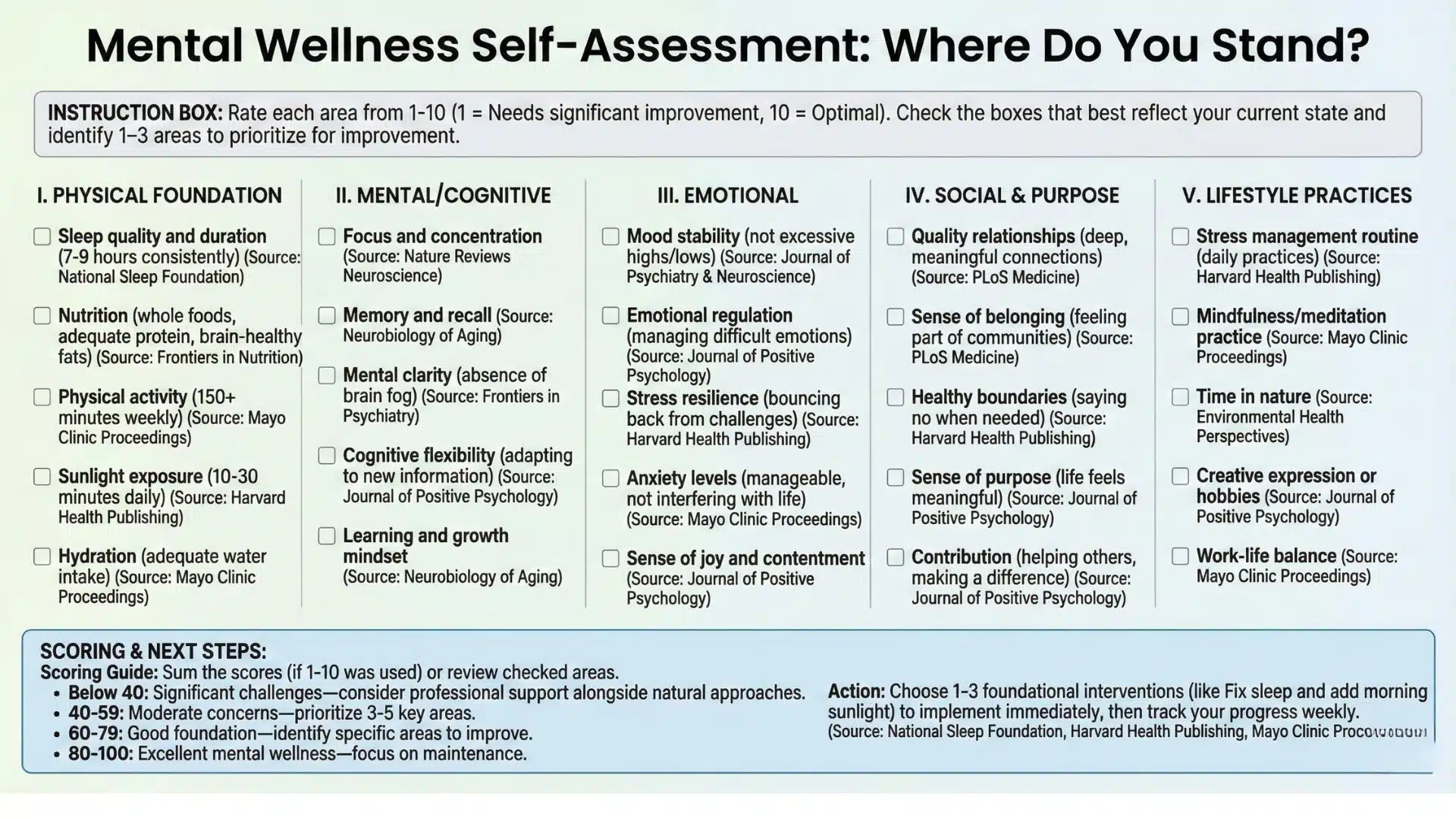
How Healthy Is Your Brain? A Self-Assessment Checklist
Use this mental wellness self-assessment calculator to assess your current mental wellness and identify areas for improvement. Rate each area from 1-10 (1 = needs significant improvement, 10 = optimal).
Frequently Asked Questions
How long does it take to see results from natural mental wellness approaches?
It depends on what you're doing and what you're treating. Some interventions work quickly—breathwork can reduce anxiety within minutes, exercise boosts mood within an hour, and light therapy often improves energy within days.
Other approaches take longer. Omega-3 supplementation typically requires 4-8 weeks to impact mood. Gut health optimization might take 2-3 months. Meditation shows brain changes after 8 weeks of consistent practice.
My advice? Start with quick-win interventions (sleep optimization, daily movement, stress management) while also implementing longer-term strategies (omega-3s, gut health, meditation). You'll feel some improvements quickly while building toward more substantial changes.
Be patient. Your brain didn't get into this state overnight, and it won't fully recover overnight either. But most people notice meaningful improvements within 4-6 weeks of consistent effort.
Can natural approaches replace medication for depression or anxiety?
Sometimes, but not always. For mild to moderate depression and anxiety, research shows that lifestyle interventions can be as effective as medication. A 2024 systematic review found exercise reduces depression across all populations with effect sizes comparable to antidepressants.
But here's the thing—severe depression, especially with suicidal thoughts, often requires medication for safety and stabilization. Same with severe anxiety disorders or conditions like bipolar disorder or schizophrenia.
The best approach is often both/and, not either/or. Medication can provide the stability you need to implement lifestyle changes. Natural approaches can enhance medication effectiveness and potentially allow for lower doses over time.
Never stop psychiatric medication without medical supervision. Work with a healthcare provider who understands both conventional and natural approaches. If your doctor dismisses natural interventions, consider finding an integrative psychiatrist or functional medicine practitioner.
What's the single most important thing I can do for mental wellness?
If I had to pick one thing? Fix your sleep. Sleep affects everything—mood, cognitive function, emotional regulation, stress resilience, inflammation, gut health, hormone balance. Poor sleep makes every mental health problem worse.
Prioritize 7-9 hours of quality sleep with consistent timing. Get morning sunlight to set your circadian rhythm. Create a dark, cool bedroom. Avoid screens before bed. If you do nothing else, do this.
That said, mental wellness is multifactorial. Sleep is foundational, but you'll get the best results by addressing multiple areas—nutrition, movement, stress management, social connection, and purpose.
How do I know if my gut health is affecting my mental health?
Strong indicators include:
- Mental health symptoms accompanied by digestive issues (bloating, irregular bowel movements, food sensitivities)
- Symptoms that started after antibiotics, food poisoning, or major gut infection
- Mood or anxiety that worsens after eating certain foods
- History of IBS, SIBO, or other gut conditions
- Symptoms that haven't responded well to conventional mental health treatments
Even without obvious gut symptoms, gut health might be involved. About 90% of serotonin is produced in the gut, and the gut-brain axis affects everyone, not just those with digestive complaints.
Try optimizing gut health for 8-12 weeks: eliminate inflammatory foods, add fermented foods daily, increase fiber intake, consider a probiotic with psychobiotic strains, manage stress (which directly impacts gut health). If you notice mental health improvements, gut health was likely a factor.
Our gut-brain axis guide provides a comprehensive protocol for addressing this connection.
Are there any risks or side effects to natural mental wellness approaches?
Natural doesn't automatically mean safe. Supplements can interact with medications, cause side effects, or be inappropriate for certain conditions.
Potential concerns:
- St. John's Wort interacts with many medications (birth control, antidepressants, blood thinners)
- High-dose omega-3s can increase bleeding risk (concern if on blood thinners or before surgery)
- Ashwagandha may lower blood pressure and blood sugar (monitor if on related medications)
- Some adaptogens affect thyroid or hormone levels
- Intense exercise can worsen anxiety in some people initially
- Meditation can bring up difficult emotions or memories
Always inform your healthcare provider about supplements you're taking.
Start with one intervention at a time so you can identify what helps or causes problems. If you're on psychiatric medication, work with your prescriber before adding supplements—don't make changes on your own.
Lifestyle interventions (sleep, nutrition, exercise, stress management) are generally safe and beneficial for everyone, but even these should be approached gradually if you're dealing with severe symptoms.
What if I've tried everything and nothing works?
First, make sure you've actually given interventions enough time. Many people try something for 2-3 weeks, don't see dramatic results, and move on. Most natural approaches require 4-8 weeks minimum.
Second, consider whether you're addressing root causes. If you're taking supplements but still sleeping 5 hours, eating processed foods, and living in chronic stress, supplements won't overcome those factors.
Third, investigate underlying issues that might be blocking progress:
- Nutrient deficiencies (get comprehensive testing)
- Hormonal imbalances (thyroid, sex hormones, cortisol)
- Chronic infections (Lyme, mold, viral)
- Undiagnosed conditions (sleep apnea, autoimmune disease)
- Medication side effects
- Unprocessed trauma
Work with a functional medicine doctor, integrative psychiatrist, or naturopath who can dig deeper. Sometimes what looks like treatment-resistant depression is actually hypothyroidism, or what seems like anxiety is actually blood sugar dysregulation.
Finally, remember that severe mental health conditions often require professional treatment. Natural approaches are powerful, but they're not a replacement for therapy, appropriate medication, or intensive treatment when needed.
How much does it cost to pursue natural mental wellness?
It can range from free to quite expensive, depending on your approach.
Low-cost/free options:
- Walking or bodyweight exercise (free)
- Sunlight exposure (free)
- Sleep optimization (free, maybe $50 for blackout curtains)
- Breathwork and meditation (free with apps or YouTube)
- Time in nature (free)
- Social connection (free)
- Library books on mental health (free)
Moderate cost:
- Quality supplements ($50-150/month for a comprehensive protocol)
- Whole food groceries (often comparable to processed food costs)
- Meditation apps ($10-15/month)
- Yoga or fitness classes ($50-150/month)
Higher cost:
- Functional medicine testing ($200-1,000+ for comprehensive panels)
- Integrative psychiatrist or naturopath ($150-300+ per visit)
- Therapy ($100-200+ per session without insurance)
- High-quality supplements and specialty foods
My recommendation? Start with the free/low-cost fundamentals. These provide 70-80% of the benefit. Add supplements strategically based on your specific needs. Invest in professional guidance if you're not making progress or need help identifying root causes.
Mental wellness is an investment in your quality of life, relationships, and productivity. Even if it costs money upfront, the return—in terms of reduced suffering, improved function, and prevented future problems—is enormous.
Can children and teenagers use these natural approaches?
Absolutely, with some modifications. Natural approaches are often preferable for young people because their brains are still developing and more susceptible to medication side effects.
Appropriate for kids/teens:
- Sleep optimization (crucial for developing brains)
- Nutrition (omega-3s, whole foods, adequate protein)
- Regular physical activity (essential for mental health)
- Time outdoors and in nature
- Stress management techniques (age-appropriate)
- Social connection and healthy relationships
- Limiting screen time and social media
Supplements for kids/teens (with pediatrician approval):
- Omega-3s (doses based on age/weight)
- Vitamin D if deficient
- Magnesium (for anxiety, sleep, ADHD symptoms) - Probiotics for gut health
- B vitamins if deficient
Approach with caution:
- Adaptogens (limited research in children)
- St. John's Wort (can interact with medications)
- High-dose supplements without professional guidance
For children and teens with significant mental health symptoms, work with a pediatrician, child psychiatrist, or therapist who understands both conventional and natural approaches. Early intervention is important, and natural approaches can be part of a comprehensive treatment plan.
How do I maintain mental wellness long-term?
Mental wellness isn't a destination—it's an ongoing practice. Here's how to maintain it:
Build sustainable habits: Don't try to be perfect. Aim for consistency over intensity. It's better to meditate 10 minutes daily than 60 minutes once a week.
Create systems, not goals: Instead of "I want to feel less anxious" (outcome goal), focus on "I'll practice breathwork for 5 minutes every morning" (process goal). Systems are sustainable.
Expect fluctuations: Mental wellness varies. You'll have great weeks and hard weeks. That's normal. The goal isn't constant happiness—it's resilience and the ability to return to baseline.
Adjust as needed: What works in your 20s might not work in your 40s. Life circumstances change. Stay flexible and willing to adapt your approach.
Maintain the fundamentals: Even when you're feeling great, keep up with sleep, nutrition, movement, and stress management. These are like brushing your teeth—you don't stop because your teeth are clean.
Stay connected: Maintain relationships and community. Isolation is one of the biggest risk factors for mental health decline.
Keep learning: Mental health research evolves. Stay curious about new approaches while maintaining what works for you.
Have a crisis plan: Know what to do if symptoms worsen. Who will you call? What helps in acute situations? What are your warning signs?
Regular check-ins: Assess your mental wellness monthly. Use the checklist in this guide. Catch problems early before they become crises.
What about mental wellness for people with serious mental illness?
Natural approaches can be valuable for people with conditions like bipolar disorder, schizophrenia, or severe depression, but they should complement, not replace, appropriate medical treatment.
Important considerations:
- Never stop psychiatric medication without medical supervision
- Work with a psychiatrist who understands both medication and natural approaches
- Some supplements can interact with psychiatric medications
- Lifestyle interventions can enhance medication effectiveness
- Natural approaches may help reduce side effects or potentially lower medication doses over time
Particularly helpful:
- Sleep optimization (critical for mood stability)
- Regular exercise (reduces symptoms across all conditions)
- Omega-3 supplementation (shown to help in schizophrenia and bipolar disorder)
- Stress management (prevents symptom exacerbation)
- Social support (reduces relapse rates)
- Avoiding alcohol and drugs (can trigger episodes)
Be cautious with:
- Stimulating supplements if you have bipolar disorder (can trigger mania)
- Stopping medication during a stable period (high relapse risk)
- Intense dietary changes during acute episodes (focus on stability first)
The goal is integrated care—using the best of both conventional and natural medicine. Find providers who respect both approaches and can help you create a comprehensive treatment plan.
How do stress management techniques actually work in the brain?
Stress management techniques work by shifting your nervous system from sympathetic activation (fight-or-flight) to parasympathetic activation (rest-and-digest). Here's what happens:
Deep breathing activates the vagus nerve, which directly signals your brain to reduce stress hormones. Slow, diaphragmatic breathing (especially with longer exhales) increases heart rate variability—a marker of stress resilience.
Meditation increases activity in the prefrontal cortex (executive control) while decreasing activity in the amygdala (emotional reactivity). Over time, it literally changes brain structure, increasing gray matter in areas associated with emotional regulation.
Progressive muscle relaxation interrupts the stress cycle by releasing physical tension, which signals your brain that the threat has passed. Your brain and body communicate bidirectionally—relaxing your body relaxes your mind.
Mindfulness disrupts rumination (repetitive negative thinking) by bringing attention to the present moment. This reduces activity in the default mode network, the brain network associated with self-referential thinking and worry.
Time in nature reduces cortisol, lowers blood pressure, and shifts brain activity toward patterns associated with relaxation and restoration. Even 20 minutes in a natural setting has measurable effects.
These aren't just "relaxation"—they're actively retraining your nervous system to be less reactive to stress. With consistent practice, your baseline stress response becomes calmer, and you recover from stressful events more quickly.
Our stress management techniques guide provides step-by-step instructions for implementing these practices.
What's the connection between inflammation and mental health?
This is one of the most important discoveries in mental health research over the past decade. Chronic inflammation doesn't just affect your body—it directly impacts your brain and mental state.
How inflammation affects mental health:
Inflammatory cytokines (immune signaling molecules) can cross the blood-brain barrier and interfere with neurotransmitter production. Specifically, inflammation:
- Reduces serotonin synthesis (contributing to depression)
- Increases breakdown of dopamine (reducing motivation and pleasure)
- Activates the HPA axis (stress response system)
- Reduces BDNF (impairing neuroplasticity)
- Causes "sickness behavior" (fatigue, social withdrawal, anhedonia)
Research shows that about 30-50% of people with depression have elevated inflammatory markers. Some researchers now consider depression an inflammatory condition, not just a "chemical imbalance."
Sources of chronic inflammation:
- Poor diet (processed foods, excess sugar, trans fats, food sensitivities)
- Gut dysbiosis (imbalanced microbiome)
- Chronic stress (elevates inflammatory cytokines)
- Lack of exercise (movement is anti-inflammatory)
- Poor sleep (increases inflammation)
- Obesity (fat tissue produces inflammatory compounds)
- Chronic infections or autoimmune conditions
- Environmental toxins
Anti-inflammatory approaches for mental health:
- Mediterranean or MIND diet (rich in anti-inflammatory foods)
- Omega-3 fatty acids (powerful anti-inflammatory)
- Regular exercise (reduces inflammatory markers by 20-30%)
- Adequate sleep (allows inflammatory cleanup)
- Stress management (reduces inflammatory response)
- Gut health optimization (reduces systemic inflammation)
- Curcumin supplementation (potent anti-inflammatory)
- Elimination of inflammatory foods (trial of gluten-free, dairy-free)
If you have both physical and mental health symptoms, or if conventional mental health treatments haven't worked well, addressing inflammation might be the missing piece.
Conclusion: Your Path to Natural Mental Wellness
Mental wellness isn’t about perfection. It’s not about never feeling anxious, sad, or stressed. It’s about building resilience, nourishing your brain, and creating conditions where you can thrive.
What I’ve learned from diving deep into the research is this: your brain is remarkably adaptable. Neuroplasticity—your brain’s ability to change and form new connections—continues throughout life. The choices you make daily literally reshape your brain structure and function.
Your next steps:
- Complete the mental wellness self-assessment to identify your priority areas
- Choose 1-3 foundational interventions to implement immediately
- Add targeted supplements based on your primary concerns
- Track your progress weekly
- Adjust and refine your approach based on what works for you
- Seek professional support if needed
Remember—you don’t have to do everything at once. Small, consistent changes compound over time. Start where you are, use what you have, do what you can.
Mental wellness is one of the most valuable investments you can make. It affects every area of your life—relationships, work, health, happiness, longevity. The time and effort you put in now will pay dividends for years to come.
You’ve got this. Your brain has an incredible capacity for healing and growth. Give it the right inputs, and it will respond.
What Should You Read Next?
Deepen your understanding of natural mental wellness with these comprehensive guides:
- Brain Foods for Cognitive Function – Discover the specific foods that fuel optimal brain health
- Stress Management Techniques That Actually Work – Evidence-based strategies for reducing chronic stress
- The Gut-Brain Axis and Mental Health – How your microbiome influences mood and cognition
- Sleep Optimization for Mental Health – Complete guide to improving sleep quality naturally
- Complete Nootropics Guide – Science-backed cognitive enhancers explained
- Adaptogens for Stress Resilience – How adaptogenic herbs help you handle stress
- Melatonin: Complete Sleep Guide – When and how to use melatonin effectively
- Complete Gut Health Guide – Optimize your microbiome for overall health
- Natural Remedies for Anxiety – Evidence-based approaches to reducing anxiety
- Natural Remedies for Depression – Lifestyle and supplement strategies for mood support
- Omega-3 for Brain Health – The essential fats your brain needs
- Magnesium for Mental Health – How this mineral supports mood and stress resilience
- St. John’s Wort for Depression – Natural antidepressant that rivals medication
- Mood-Boosting Supplements Guide – Comprehensive review of supplements for emotional wellness
- Meditation for Beginners – Start a practice that changes your brain
- Brain Health Supplements – What works and what doesn’t for cognitive function
References
1. Stein, D. J., et al. (2023). Brain Health Is a Determinant of Mental Health. *PMC*. https://pmc.ncbi.nlm.nih.gov/articles/PMC10655837/
2. Carabotti, M., et al. (2015). The Gut-Brain Axis: Interactions Between Enteric Microbiota, Central and Enteric Nervous Systems. *PMC*. https://pmc.ncbi.nlm.nih.gov/articles/PMC4367209/
3. Alanazi, S., et al. (2025). Gut over Mind: Exploring the Powerful Gut–Brain Axis. *PMC*. https://pmc.ncbi.nlm.nih.gov/articles/PMC11901622/
4. Nature. (2024). Microbiota–gut–brain axis and its therapeutic applications in neurodegenerative diseases. *Nature*. https://www.nature.com/articles/s41392-024-01743-1
5. National Institute of Mental Health. (2024). Science Updates from 2024. *NIH*. https://www.nimh.nih.gov/news/science-updates/2024
6. Singh, B., et al. (2024). Effect of exercise for depression: systematic review and network meta-analysis. *BMJ*. https://www.bmj.com/content/384/bmj-2023-075847
7. MGH Psychiatry. (2024). High-Dose Omega-3 Fatty Acids Improve Aspects of Cognition in Depression. *MGH Psychiatry News*. https://mghpsychnews.org/omega-3-fatty-acids-improve-depression-motivation-and-cognition/
8. Mayo Clinic. (2024). Depression and anxiety: Exercise eases symptoms. *Mayo Clinic*. https://www.mayoclinic.org/diseases-conditions/depression/in-depth/depression-and-exercise/art-20046495
9. NIH News in Health. (2024). Healthy Eating Linked to Better Brain Health. *NIH*. https://newsinhealth.nih.gov/2024/12/healthy-eating-linked-better-brain-health
10. Dighriri, I. M., et al. (2022). Effects of Omega-3 Polyunsaturated Fatty Acids on Brain Functions. *PMC*. https://pmc.ncbi.nlm.nih.gov/articles/PMC9641984/
11. PMC. (2024). The impact of exercise on depression: how moving makes your brain healthier. *PMC*. https://pmc.ncbi.nlm.nih.gov/articles/PMC11298280/
12. ScienceDirect. (2024). Physical activity and prevention of mental health complications. *ScienceDirect*. https://www.sciencedirect.com/science/article/abs/pii/S0149763424001106
13. Frontiers in Psychology. (2024). Investigation of the relationship between mental health and physical activity. *Frontiers*. https://www.frontiersin.org/journals/psychology/articles/10.3389/fpsyg.2024.1546002/full
14. American Psychiatric Association. (2024). How Running and Resistance Training Can Help Depression and Anxiety. *APA*. https://www.psychiatry.org/news-room/apa-blogs/how-running-and-resistance-training-can-help-depre
15. Better Health Channel. (2024). Exercise and mental health. *Better Health Victoria*. https://www.betterhealth.vic.gov.au/health/healthyliving/exercise-and-mental-health
16. JAMA Psychiatry. (2022). Association Between Physical Activity and Risk of Depression. *JAMA Network*. https://jamanetwork.com/journals/jamapsychiatry/fullarticle/2790780
17. PMC. (2024). Mental Health and Well-Being in the Modern Era. *PMC*. https://pmc.ncbi.nlm.nih.gov/articles/PMC11836072/
18. SAMHSA. (2024). Substance Abuse and Mental Health Services Administration. *SAMHSA*. https://www.samhsa.gov/
Medical Disclaimer
Important: Please read carefully
The information provided in this article is for educational and informational purposes only and is not intended as medical advice, diagnosis, or treatment. Always seek the advice of your physician or other qualified health provider with any questions you may have regarding a medical condition or mental health concern.
Mental health conditions require professional evaluation and treatment. If you are experiencing severe depression, suicidal thoughts, thoughts of harming others, psychotic symptoms, or significant impairment in daily functioning, please seek immediate professional help. Call 988 (Suicide and Crisis Lifeline) or text HOME to 741741 (Crisis Text Line) if you are in crisis.
Do not stop or change psychiatric medications without medical supervision. Abruptly discontinuing psychiatric medications can be dangerous and cause severe withdrawal symptoms or relapse. Work with your healthcare provider to make any changes to your medication regimen.
Supplements can interact with medications and medical conditions. Natural does not mean safe for everyone. Inform your healthcare provider about all supplements you are taking, especially if you are on psychiatric medications, blood thinners, blood pressure medications, or have any medical conditions.
Individual results vary. The natural approaches discussed in this article may not work for everyone. Mental health is complex and individualized. What works for one person may not work for another.
This article is not a substitute for professional mental health care. Therapy, psychiatric evaluation, and appropriate medical treatment are often necessary components of mental wellness. Natural approaches can complement but should not replace professional care when it is needed.
The author and publisher disclaim any liability for adverse effects resulting from the use or application of the information contained in this article.
Transparency & Affiliate Disclosure
Our Commitment to You
At HealthSecrets, we are committed to providing accurate, evidence-based information to help you make informed decisions about your health. Here’s what you should know about how we operate:
Research-Based Content: Every claim in this article is backed by scientific research from peer-reviewed journals, government health organizations, and credible medical institutions. We prioritize recent research (2023-2025) and include citations so you can verify information independently.
Affiliate Relationships: This article contains affiliate links to products on Amazon. If you purchase a product through one of our links, we may earn a small commission at no additional cost to you. These commissions help us maintain this website and continue creating free, comprehensive health content.
Unbiased Recommendations: Our product recommendations are based on research, quality, and effectiveness—not commission rates. We only recommend products we believe provide genuine value based on scientific evidence and quality standards.
No Medical Practice: We are not medical practitioners and do not provide medical advice, diagnosis, or treatment. The information here is educational and should be used in consultation with qualified healthcare providers.
Regular Updates: We review and update our content regularly to reflect the latest research and ensure accuracy. Mental health science evolves, and we strive to keep our information current.
Your Privacy: We do not sell your personal information. Any data collected through our website is used solely to improve user experience and is handled according to our privacy policy.
If you have questions about our content, research methods, or recommendations, please contact us. We’re here to help you on your natural health journey.